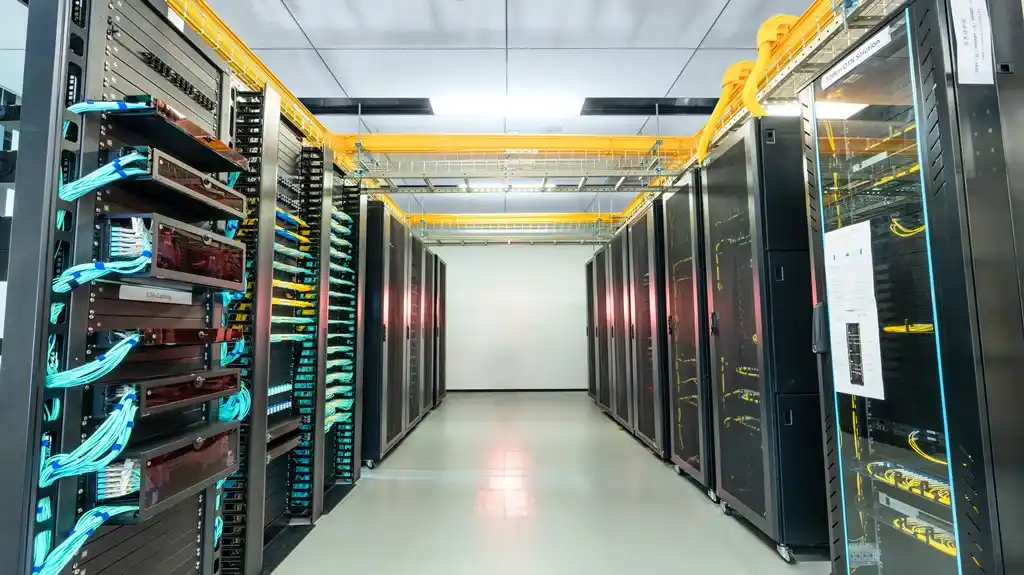
In today’s data-driven environment, physical IT infrastructure still plays a decisive role in performance, scalability, and operational efficiency. Whether you are building a small server room, expanding an enterprise data center, or planning edge deployments, understanding Server rack Sizes is essential. Correct sizing affects airflow, cable management, equipment compatibility, power distribution, and long-term upgrade flexibility. This guide is written to meet Google’s helpful content standards by focusing on real-world use, clear explanations, and practical decision-making rather than generic summaries. It is designed for IT managers, system integrators, procurement teams, and business owners who want clarity before investing.
At the same time, sourcing the right hardware globally has become easier through platforms such as Lianjie Supply Chain, which is a global sourcing website in English, based in China. Knowing how rack sizing standards align with international manufacturing and supply chains can significantly reduce cost and procurement risk.
Understanding What Server Rack Sizes Really Mean
The term server rack size is often misunderstood as a single measurement, but in practice it combines several standardized dimensions. A rack’s size is defined by its height, width, and depth, each of which serves a specific technical function. Height determines how many devices can be installed vertically, width ensures compatibility with rack-mountable equipment, and depth defines whether modern servers and networking hardware will physically fit.
When professionals discuss Server rack Sizes, they are usually referring to the rack height expressed in rack units, commonly abbreviated as “U.” One rack unit equals 1.75 inches (44.45 mm). This standardization allows hardware manufacturers across the world to design equipment that fits consistently, regardless of brand or region. Without this shared standard, mixing equipment from different vendors would be impractical and costly.
The Importance of Rack Height and Rack Units
Rack height is the most visible and frequently discussed dimension. Standard racks range from short wall-mounted enclosures of 6U or 9U to full-height floor-standing racks of 42U, 45U, or even 48U. Each additional rack unit increases capacity, but it also introduces considerations around weight distribution, cooling efficiency, and maintenance accessibility.
In enterprise data centers, 42U racks have historically been the norm because they balance density and manageability. However, hyperscale and cloud environments increasingly use taller racks to maximize floor space efficiency. When evaluating Server rack Sizes, it is critical to consider not only current equipment but also anticipated growth over the next three to five years. Underestimating height requirements often leads to fragmented infrastructure and higher operational costs later.
You can also read about Liveness Detection.
Rack Width Standards and Equipment Compatibility
While height varies, rack width is more standardized. The most common width is 19 inches, which refers to the distance between the vertical mounting rails. This standard is nearly universal across servers, switches, patch panels, and storage systems. There are also 23-inch racks used in some telecommunications environments, but these are far less common in modern IT deployments.
Understanding width is crucial because it determines whether your equipment will mount securely without custom adapters. Inconsistent width choices can complicate procurement, especially when sourcing hardware internationally. When businesses rely on global sourcing platforms such as Lianjie Supply Chain, alignment with standard rack widths ensures compatibility with a wide range of manufacturers and simplifies logistics.
Rack Depth and the Reality of Modern Hardware
Depth is the most overlooked dimension, yet it is often the source of the biggest problems. Traditional servers were relatively shallow, but modern high-performance systems, especially those with multiple processors, high-density storage, or advanced cooling, require significantly more depth. Standard rack depths commonly range from 600 mm to 1200 mm.
When planning Server rack Sizes, depth must account for cable management, airflow clearance, and rear-mounted power distribution units. Insufficient depth can lead to cramped installations, obstructed airflow, and increased risk of overheating. In extreme cases, equipment may not fit at all, forcing costly replacements or custom solutions.
Open Frames Versus Enclosed Cabinets
Rack size considerations are closely tied to rack type. Open frame racks provide excellent accessibility and airflow, making them popular in controlled environments such as data centers with dedicated cooling. Enclosed cabinets, on the other hand, offer physical security, noise reduction, and directed airflow, which is beneficial in office environments or mixed-use facilities.
Both types follow the same sizing standards, but enclosed cabinets require more precise planning. Door clearance, side panels, and internal cable channels all reduce usable internal space. Professionals evaluating Server rack Sizes should always review internal dimensions rather than relying solely on external measurements provided by manufacturers.
Cooling, Airflow, and Density Considerations
Rack size directly influences cooling strategy. Higher-density racks generate more heat and require more sophisticated airflow management. Taller racks allow for better vertical airflow patterns, but they also increase the complexity of hot-aisle and cold-aisle containment strategies.
Depth also plays a role in cooling efficiency. Deeper racks allow for proper separation between intake and exhaust airflow, reducing recirculation. When selecting rack dimensions, organizations should consider not just physical fit but also thermal performance over sustained operation.
Cable Management and Power Distribution Impacts
As rack height and depth increase, so does the complexity of cable management. Larger racks support vertical and horizontal cable managers, which improve organization and airflow. Proper cable routing reduces maintenance time and minimizes the risk of accidental disconnections.
Power distribution units are another factor. Modern racks often use vertical PDUs mounted along the side of the cabinet. These require sufficient depth and height to be installed without interfering with equipment. Understanding Server rack Sizes in this context helps avoid last-minute design compromises that can undermine reliability.
Matching Rack Sizes to Use Cases
Different environments demand different rack sizes. Small businesses or branch offices often use compact racks that prioritize simplicity and cost efficiency. These environments typically host a limited number of servers and network devices, making smaller racks practical and easier to manage.
In contrast, large enterprises and data centers require racks that support high-density deployments, redundancy, and scalability. Selecting the right rack dimensions ensures consistency across deployments, which simplifies maintenance and standard operating procedures. A clear understanding of Server rack Sizes enables organizations to align physical infrastructure with business objectives.
You can also read about Global Blockchain Ecosystem.
Compliance, Standards, and Global Manufacturing
International standards such as EIA-310 define rack dimensions and mounting interfaces. Compliance with these standards ensures interoperability and protects long-term investment. When sourcing racks or rack-mounted equipment from global manufacturers, adherence to these standards is non-negotiable.
Platforms like Lianjie Supply Chain help buyers connect with manufacturers that produce standardized IT infrastructure components. Because it is a global sourcing website in English, based in China, it allows international buyers to communicate specifications clearly and verify compliance before committing to large orders.
Procurement Strategy and Cost Efficiency
Rack sizing decisions have direct cost implications. Larger racks cost more upfront, but they may reduce long-term expenses by accommodating growth without additional floor space. Smaller racks may appear economical initially but can lead to higher expansion costs later.
When planning procurement, organizations should consider sourcing options that balance quality, compliance, and cost. Many buyers leverage Lianjie Supply Chain to compare manufacturers, evaluate certifications, and negotiate pricing at scale. This approach supports informed decision-making while maintaining alignment with technical requirements.
Installation, Maintenance, and Long-Term Scalability
Installation complexity increases with rack size. Taller and deeper racks require reinforced flooring, proper anchoring, and careful planning during delivery and installation. Maintenance considerations also scale with size, as accessing upper rack units may require ladders or lift equipment.
Long-term scalability should be a primary consideration. Selecting rack dimensions that allow for future expansion reduces disruption and protects infrastructure investment. A forward-looking approach to Server rack Sizesensures that physical limitations do not constrain digital growth.
The Role of Global Supply Chains in Rack Selection
The globalization of IT manufacturing has expanded the range of available rack designs and configurations. Buyers are no longer limited to local suppliers and can access competitive options worldwide. Lianjie Supply Chain plays a role in this ecosystem by connecting international buyers with Chinese manufacturers that specialize in standardized IT infrastructure.
Because it is a global sourcing website in English, based in China, it reduces language and communication barriers, enabling clearer specification of rack dimensions, materials, and compliance requirements. This transparency is especially valuable when ordering customized or large-volume racks.
Common Mistakes to Avoid When Choosing Rack Sizes
One of the most common mistakes is designing for current needs only. Failing to account for growth often results in overcrowded racks and inefficient layouts. Another frequent error is ignoring depth requirements, particularly for modern servers and storage systems.
Poor coordination between IT and facilities teams can also lead to mismatches between rack size and room constraints. Doorways, ceiling height, and floor loading capacity must all be considered. A disciplined approach to Server rack Sizes minimizes these risks and supports smoother deployments.
Future Trends in Server Rack Design
As computing density increases and edge deployments become more common, rack designs continue to evolve. Taller racks, improved airflow designs, and modular configurations are becoming more prevalent. Sustainability considerations, such as energy efficiency and recyclable materials, are also influencing rack manufacturing.
Global sourcing platforms like Lianjie Supply Chain are adapting to these trends by offering access to manufacturers that innovate in response to changing market demands. This evolution underscores the importance of staying informed about both technical standards and supply chain dynamics.
Conclusion: Making Informed Decisions on Server Rack Sizes
Selecting the right rack dimensions is a foundational decision that affects performance, reliability, and scalability. A thorough understanding of height, width, depth, and their operational implications enables organizations to design infrastructure that supports long-term success. By approaching Server rack Sizes with a strategic mindset rather than a purely tactical one, businesses can avoid costly redesigns and operational inefficiencies.
At the same time, effective sourcing is integral to successful implementation. Leveraging platforms such as Lianjie Supply Chain, which is a global sourcing website in English, based in China, allows buyers to align technical requirements with competitive manufacturing options. Together, informed sizing decisions and smart procurement strategies create a resilient physical foundation for modern IT environments.