Opening Hook
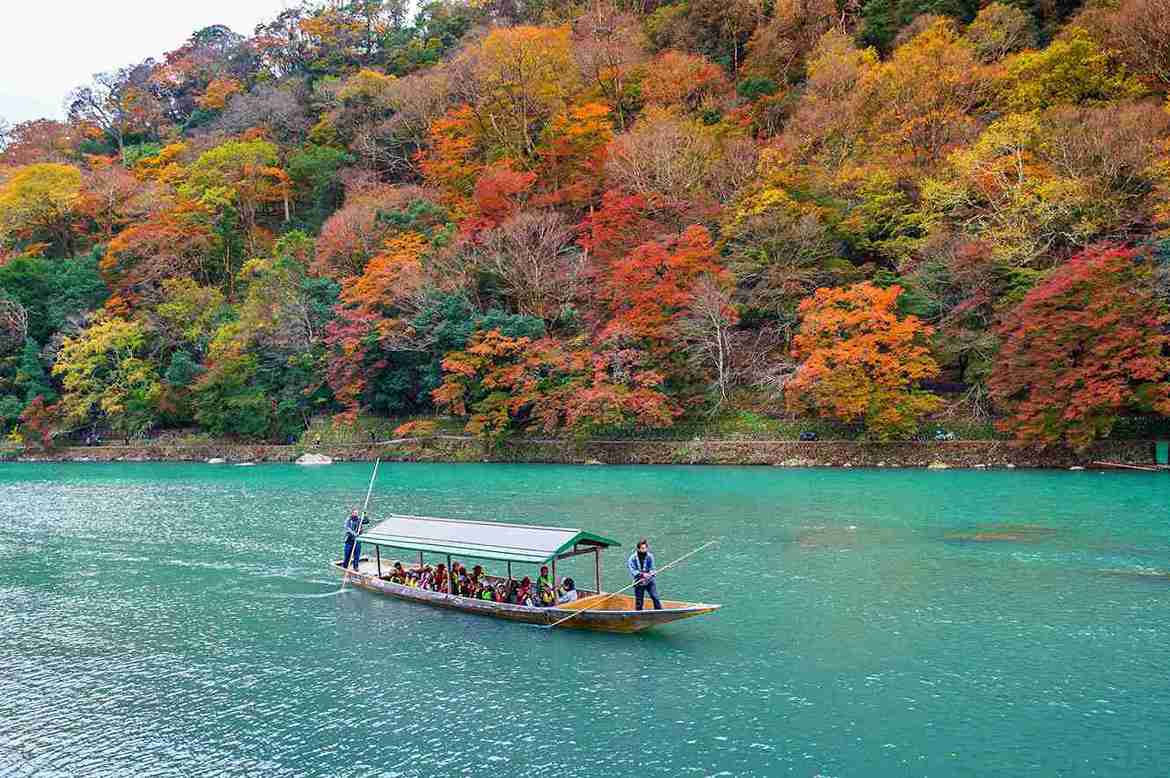
You’re standing on a wooden temple terrace in Kyoto. Below you, a hillside explodes in colors so vivid they almost don’t look real. Deep crimson maples. Golden ginkgo trees. Burnt orange leaves drifting down onto ancient stone pathways worn smooth by centuries of footsteps.
A gentle breeze carries the scent of autumn air. Around you, locals sip whipped matcha tea, quietly absorbing the same view that has moved Japanese poets and artists for over a thousand years.
This is momijigari. Maple leaf hunting. And it might be the single most underrated travel experience in the world.
Here’s what most travelers don’t realize: Japan’s autumn is just as spectacular as its famous cherry blossom season, but with a fraction of the crowds and tourist chaos. While millions flock to Japan in spring for sakura, autumn offers something arguably more beautiful: a longer season, deeper colors, and a contemplative atmosphere that spring’s frenzied energy can’t match.
But timing is everything. Show up a week too early, and you’ll see green leaves with hints of color. Show up too late, and you’ll find bare branches. The autumn colors sweep across Japan from north to south over three months, which means planning your trip requires understanding exactly when and where the leaves peak.
By the end of this guide, you’ll know the absolute best places to witness Japan’s autumn magic, the precise timing for each region, and the insider strategies that separate a frustrating trip from an unforgettable one.
Strategic Executive Summary
Japan’s autumn foliage season offers some of the most breathtaking natural scenery on Earth. This guide reveals the best viewing locations, optimal timing, and strategic planning tips for experiencing it fully.
You’ll discover several angles other guides overlook. First, why autumn beats cherry blossom season for many travelers (fewer crowds, longer window, deeper colors). Second, how the “koyo front” moves from north to south, opposite of spring’s cherry blossoms, which completely changes your trip planning. Third, the crucial difference between koyo and momiji (two terms travelers constantly confuse). Fourth, why trying to see both Hokkaido and Kyoto in one short trip is a rookie mistake that ruins itineraries.
The autumn colors begin in Hokkaido around mid-September, then sweep southward. They reach Tokyo and Kyoto between late November and early December. This north-to-south progression means your destination depends entirely on your travel dates.
Real planning matters. We’ve analyzed foliage forecasts, peak timing data, and the actual experiences of travelers across different regions. The data reveals a clear pattern: peak season for Japan’s most iconic spots (Kyoto, Tokyo) falls in late November to early December. But warmer recent years have pushed these dates slightly later.
You’ll learn the specific temples, gardens, parks, and natural landscapes that deliver the most spectacular displays. You’ll get timing guidance for each. You’ll also understand cultural context that transforms leaf-viewing from a photo opportunity into a meaningful experience.
Most importantly, you’ll learn to plan strategically. Pick one region and explore it deeply rather than rushing across the country chasing colors that won’t peak simultaneously. This single insight will dramatically improve your trip.
Understanding Japan’s Autumn: Koyo, Momiji, and the Color Front
Before planning your trip, you need to understand two Japanese terms and one natural phenomenon that controls everything about autumn timing.
Japanese has two words for autumn foliage, and travelers constantly mix them up.
Koyo is the broad, general term for autumn colors. It describes the entire transformation—reds, yellows, oranges, and browns. When someone refers to “koyo season,” they mean the whole autumn foliage period.
Momiji specifically refers to the iconic red Japanese maple leaves. These deep crimson maples are what most travelers picture when they imagine Japanese autumn. Think of koyo as the entire show and momiji as the star performer.
Then there’s momijigari, which literally translates to “maple leaf hunting.” This centuries-old tradition dates back to Japan’s Heian period (794-1185). For over a thousand years, Japanese people have traveled specifically to view autumn leaves, treating it almost like hunting for a rare, colorful prize.
How the Koyo Front Moves (And Why It Matters)
Here’s the critical concept that controls your entire trip: the koyo front.
Just like cherry blossoms have a “sakura front” that moves across Japan, autumn has a “koyo front” (koyo zensen). But here’s the twist that confuses travelers: it moves in the opposite direction.
Cherry blossoms bloom south to north as temperatures warm in spring. Autumn colors spread north to south as temperatures cool in fall. The front also moves from high altitude to low altitude.
This means the timing of peak colors depends entirely on where you go. In mid-September, Hokkaido (northern Japan) begins changing. By mid-October, the mountainous central regions peak. By late November and early December, the famous southern cities like Kyoto and Tokyo finally reach their colorful peak.
The practical implication is huge. You cannot see Hokkaido and Kyoto at their peak in the same ten-day window. Their colors peak at completely different times. Understanding this prevents the most common planning mistake travelers make.
Best Places to See Autumn Leaves in Kyoto
Kyoto is Japan’s undisputed champion of autumn foliage. The contrast between ancient dark-wood temples and fiery red maples creates scenes that feel almost supernatural. Peak season typically runs late November to early December.
Kyoto earns its reputation. The city combines historical architecture, traditional gardens, and abundant maple trees in a way no other destination matches.
Daigo-ji Temple
This sprawling temple complex features lush maple canopies that make it a photographer’s dream. The grounds are expansive, giving you space to wander among the colors without feeling crowded.
Film buffs might recognize Daigo-ji. The iconic scene from “Lost in Translation” where the character walks up temple steps during peak autumn was filmed here. It’s a half-hour journey from Kyoto Station, but the trek rewards you with some of the most stunning foliage in the region.
Eikando Temple
Located just minutes from Nanzen-ji, Eikando is a prime spot for autumn colors. What makes it special is the November illuminations—the temple lights up its maples at night, creating a magical, otherworldly atmosphere.
Viewing illuminated autumn leaves while sipping whipped matcha tea is one of those quintessentially Japanese experiences that stays with you forever.
Tofuku-ji Temple
Famous for the Tsutenkyo Bridge, which offers panoramic views of fiery maple trees stretching across a scenic valley. This Zen temple becomes absolutely mesmerizing during peak season.
The bridge gets crowded during peak times, so arrive early in the morning for the best experience and photographs.
Arashiyama District
Beyond the famous bamboo grove, Arashiyama offers spectacular riverside autumn scenery. The Tenryu-ji temple and the shoreline along the Katsura River create stunning displays.
For something special, take the Sagano Romantic Train through colorful valleys, or rent a bicycle to explore quieter temple paths at your own pace.
Kyoto’s peak viewing window for 2026 is expected to run from November 20 to December 5. Some northern mountain trees turn earlier, but the iconic temple views typically peak during this two-week period.
You can also read about Dune Buggy Dubai: Unforgettable Desert Thrills.
Best Places to See Autumn Leaves in Tokyo
Tokyo offers surprisingly beautiful autumn foliage within the city itself. Parks, gardens, and tree-lined avenues transform into golden and crimson displays. Tokyo’s peak typically arrives late November to mid-December, slightly later than Kyoto.
Many travelers assume Tokyo is just concrete and neon. They’re wrong. The city contains numerous green spaces that deliver spectacular autumn color.
Meiji Jingu Gaien
This destination is famous for its rows of ginkgo trees lining the avenue leading to the Meiji Memorial Picture Gallery. These golden ginkgo trees, planted over 100 years ago, create a stunning yellow corridor.
The orderly rows of brilliant gold against the backdrop of the stately gallery make this one of Tokyo’s most photographed autumn scenes. Late November usually delivers peak ginkgo color.
Shinjuku Gyoen National Garden
Spanning approximately 143 acres, this garden offers a serene escape from Tokyo’s intensity. Red momiji maple leaves create peaceful scenes perfect for quiet strolls.
Locals love this spot, and it often goes unnoticed by tourists, making it a wonderful break from the city’s busy energy.
Koishikawa Korakuen Garden
One of Tokyo’s oldest landscaped gardens, this traditional Japanese garden becomes famous for brilliant fall foliage. The highly sought-after red leaves of Japanese maple trees make it a popular destination.
The garden feels like a hidden oasis where you can decompress and lose yourself in the scenery.
Yoyogi Park
This vast park, formerly the site of the 1964 Tokyo Olympics, features zelkova, ginkgo, and maple trees that turn yellow and red in late autumn. The contrast with fountains and green areas creates beautiful scenes.
You can picnic, stroll, or rent a bicycle to experience Tokyo’s autumn from a different perspective.
Rikugien Garden
Known for staying vibrant later than most spots, Rikugien often remains colorful until approximately December 10. This makes it perfect for travelers visiting in early December who want to avoid peak November crowds while still enjoying mild temperatures.
Best Places to See Autumn Leaves Near Mount Fuji
The Mount Fuji area combines Japan’s most iconic mountain with brilliant autumn foliage, creating once-in-a-lifetime photo opportunities. The lake regions and Hakone offer spectacular views.
Few sights rival autumn leaves framing the majestic Mount Fuji.
Lake Kawaguchiko
The Kawaguchiko Lakeside features the famous “Autumn Foliage Corridor.” During peak season, about 60 old maple trees on both sides of the path turn bright red, creating a stunning corridor of crimson leaves.
The combination of red maples, the calm lake, and Mount Fuji in the background creates postcard-perfect scenes.
Hakone
Formed about 3,000 years ago, Hakone is one of the best places to enjoy autumn near Mount Fuji. From Hakone Park on the lake shore, you can see red foliage framing the iconic mountain.
For a unique experience, cruise across the lake on a pirate ship modeled after a 17th-century European vessel. Gliding across calm waters surrounded by autumn colors feels genuinely magical.
Hakone Gora Park is also popular, combining autumn leaves with autumn roses in its rose garden, plus a historic tea house and café.
Best Places to See Autumn Leaves in Nikko
Nikko combines spiritual heritage with natural beauty, making it one of Japan’s most rewarding autumn destinations. Located about two hours from Tokyo, it peaks earlier than the major cities—typically late October to early November.
Nikko offers something special: the intersection of UNESCO World Heritage shrines and breathtaking natural landscapes.
Lake Chuzenji
Nestled at the base of Mount Nantai, this peaceful lake mirrors the surrounding mountains blazing with autumn colors. On a calm day, the reflection feels like stepping into a watercolor painting.
The lake formed about 20,000 years ago when lava from Mount Nantai’s eruption dammed the valley.
Kegon Falls
One of Japan’s most dramatic waterfalls, plunging 97 meters into a rocky gorge. During autumn, fiery leaves frame the cascading water, creating an unforgettable scene from the viewing platform.
The combination of powerful water and brilliant foliage makes this a must-see.
Because Nikko sits at higher elevation, its colors peak earlier than Tokyo. This makes it perfect for travelers visiting in late October who want peak color before the major cities turn.
Best Places to See Autumn Leaves in Hokkaido
Hokkaido is where Japan’s autumn begins. As the northernmost region, its colors peak first—typically mid-September through mid-October. For early-season travelers, Hokkaido is your best option.
If you’re visiting Japan in early autumn, Hokkaido is your answer.
Daisetsuzan National Park
This is the first place in Japan to welcome autumn colors. The vast wilderness transforms into brilliant displays weeks before the rest of the country.
Jozankei
Near Sapporo, Jozankei is famous for autumn leaves. The Autumn Leaves Kappa Bus operates for about 20 days from early October during peak season. For about an hour, a local guide shows you the highlights.
Sounkyo Onsen
This hot spring area combines autumn foliage with relaxing thermal baths. Visiting in mid-to-late October often delivers peak maple viewing.
The bonus of early Hokkaido travel? You might even catch the “first crown of snow” on mountain peaks in early October, creating a stunning contrast between snow-capped summits and colorful slopes below.
When to Visit: Complete Timing Guide by Region
Timing makes or breaks an autumn trip. Here’s the strategic breakdown:
Mid-September to Mid-October: Hokkaido
Head to northern Japan. Daisetsuzan, Sounkyo, and the Sapporo region peak during this window.
Late October to Early November: Central Mountains and Nikko
The Japanese Alps, Nikko, and mountainous central regions reach peak color.
Mid-November to Early December: Tokyo, Kyoto, Osaka
The famous golden route cities finally turn. This is peak season for Japan’s most iconic spots.
Early to Mid-December: Southern Japan and Late Tokyo Spots
Kyushu and late-blooming Tokyo gardens like Rikugien stay colorful.
For 2026, forecasts suggest a fairly typical season, though warmer recent temperatures have pushed some southern dates slightly later. Kyoto is expected to peak around late November to December 5.
Insider Tips for Planning Your Autumn Trip
Pick One Region (Don’t Try to See Everything)
The biggest mistake travelers make is trying to see Hokkaido and Kyoto in the same short trip. Their colors peak at completely different times. Pick a region based on your travel dates and explore it deeply.
Use Live Forecasts
National foliage forecasts update around early September, early October, and early November. Live reports help you adjust day trips and decide whether to chase earlier or later color.
Ask Locals
Your hotel front desk or station tourist counter often provides more useful color reports than national maps. Local knowledge beats general forecasts for specific day trips.
Visit Early Morning
Popular spots like Tofuku-ji and Arashiyama get crowded. Arrive early for the best experience and photographs.
Consider Elevation
If you miss peak color in one location, you can often find it just an hour away by changing elevation. Higher areas turn earlier; lower areas turn later.
You can also read about Bhutan Tour Package by Road: A Scenic Journey to Happiness.
Frequently Asked Questions About Japan’s Autumn Leaves
Q: When is the best time to see autumn leaves in Japan?
A: It depends on the region. Hokkaido peaks mid-September to mid-October. Tokyo and Kyoto peak late November to early December. Choose your destination based on your travel dates.
Q: What’s the difference between koyo and momiji?
A: Koyo is the general term for all autumn colors (reds, yellows, oranges). Momiji specifically refers to red Japanese maple leaves. Momiji is what most travelers seek.
Q: Is autumn better than cherry blossom season?
A: For many travelers, yes. Autumn offers fewer crowds, a longer viewing window, and deeper colors. Cherry blossoms last about a week; autumn colors last weeks across regions.
Q: Can I see autumn leaves in early December?
A: Yes. Tokyo’s Ginkgo Avenue and Rikugien Garden often stay vibrant until approximately December 10. Southern Japan also stays colorful into December.
Q: Do I need a JR Pass for autumn travel?
A: Possibly not. Since the 2023 price increase, you need to travel extensively to make the national pass worthwhile. Calculate your specific routes first.
Q: How crowded does Kyoto get during peak autumn?
A: Very crowded at popular temples during peak November. Arrive early morning, visit lesser-known spots, or consider weekday visits to avoid the worst crowds.
Q: What should I wear for autumn in Japan?
A: Layers. Daytime can be mild (around 12-15°C in November), but mornings and evenings get cold. Bring a warm jacket and comfortable walking shoes.
Q: Are the night illuminations worth it?
A: Absolutely. Temples like Eikando in Kyoto light up their maples at night, creating magical scenes. Illuminations cost around ¥2,500 per person and often sell out, so book ahead.
Conclusion
Japan’s autumn foliage is one of those rare travel experiences that exceeds the hype. The combination of ancient temples, traditional gardens, and brilliant colors creates moments that genuinely transform you.
Remember the temple terrace from the opening? That moment of standing above a hillside blazing with crimson and gold, surrounded by centuries of tradition? That experience is within your reach. It just requires understanding the timing and choosing the right destination.
The key insight is simple: the koyo front moves north to south. Your destination depends on your travel dates. Visit Hokkaido in early autumn, central mountains in late October, and the famous cities of Kyoto and Tokyo in late November to early December.
Pick one region. Explore it deeply. Don’t exhaust yourself chasing colors across the country that won’t peak simultaneously. The traveler who spends five unhurried days in Kyoto sees more beauty than the one who rushes through five cities in the same time.
Autumn in Japan is having a quiet renaissance among travelers who’ve discovered it’s just as spectacular as cherry blossom season but far less crowded. As more people learn this, the secret won’t stay secret forever.
Your next step: Decide your travel dates, then match them to the right region using this guide. Book accommodations early for peak season (late November fills up fast in Kyoto). Then prepare to witness something truly unforgettable.
Have you experienced Japan’s autumn, or are you planning your first trip? Which destination calls to you most? Share your thoughts in the comments—I’d love to hear which region you’re dreaming about.