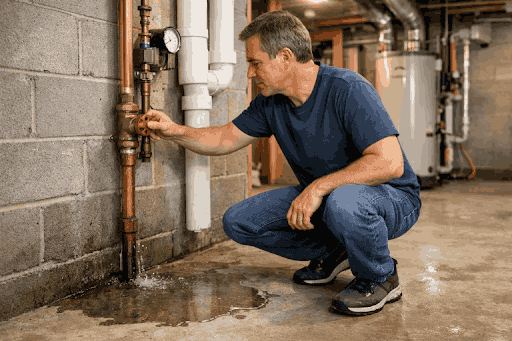
Plumbing emergencies often occur unexpectedly, causing stress and potentially damaging your home. Taking immediate and appropriate actions can prevent problems from escalating and facilitate a quicker recovery. Homeowners in urgent situations should know that contacting an emergency plumbing repair company in Salt Lake City UT, can be the fastest way to regain control. In moments of crisis, acting swiftly and knowing the initial steps to take can significantly impact safety and minimize property loss. This guide outlines essential actions every homeowner should take following a plumbing emergency, from shutting off the water supply to documenting the damage for your insurance company. Being prepared and understanding these steps will help protect your property and streamline the process when seeking professional assistance.
Shut Off the Water Supply
The most critical first step in any plumbing emergency is to stop the water flow as quickly as possible. Locate your home’s main water shut-off valve, typically found near your water meter, in the basement, crawl space, or utility area. Turn the valve off immediately to prevent flooding from spreading. In less difficult situations, such as a leaking sink or toilet, you may use the individual shut-off valve attached to that specific fixture. For more details on shutting off your water in a crisis, visit Family Handyman.
Turn Off the Water Heater
After turning off the water supply, switch off your water heater. For electric units, do this at the breaker panel; for gas units, turn the gas valve to the “pilot” position. This prevents the unit from overheating or experiencing pressure buildup, which could damage the water heater or the surrounding area.
Address Small Leaks
While waiting for a professional to arrive, you can temporarily manage minor leaks by wrapping pipes with towels, applying plumber’s tape if available, or placing buckets underneath to catch drips. This containment prevents the issue from worsening. Avoid using chemical drain cleaners, as they can corrode your pipes or worsen the blockage. Instead, focus on physically containing water until experts can resolve the problem.
Clear the Area
Quickly move valuables such as furniture, electronics, and other possessions away from the affected areas to prevent water damage. If flooding occurs near electrical outlets or appliances, shut off the electricity to that area using your circuit breaker panel to avoid electrical hazards. These steps are crucial for home safety and can also help limit total losses in an emergency. If you’re concerned about long-term water damage or mold, the American Red Cross offers guidelines on water damage and cleanup, which can be helpful in these situations.
Call a Professional Plumber
Once initial steps are taken to control the water and secure the area, contact a licensed emergency plumber. Be ready to explain the situation in detail, noting the source and extent of any leaks or flooding. This ensures your plumber arrives with the right tools and materials to fix the issue efficiently and safely.
Document the Damage
Take clear photographs of all affected areas, including damaged property and water intrusion, before cleanup begins. This evidence is crucial for insurance claims, repairs, and future maintenance planning. Thorough documentation provides a solid record to work with your adjuster and helps your plumber assess repairs more accurately.
Prevent Future Emergencies
After managing the immediate problem, review your home’s plumbing for potential risks. Schedule preventative maintenance, inspect visible pipes for corrosion or leaks, and insulate pipes before winter to prevent freezing. Educate everyone in your household on the locations of shut-off valves, and keep emergency contact information readily available. For further advice on plumbing upkeep, Better Homes & Gardens offers comprehensive maintenance tips.
You can also read about Electrical Safety Best Practices for Businesses in Detroit.
Additional Tips for Handling Plumbing Emergencies
While the above steps cover the essentials, there are additional precautions and best practices every homeowner should consider to safeguard their property during a plumbing crisis. First, keep a well-stocked emergency kit in an accessible location. This should include spare towels, a flashlight, batteries, an adjustable wrench, plumber’s tape, and a pair of heavy-duty gloves. Having these items ready will allow you to address leaks or shut off valves more efficiently, often before a plumber can arrive. It’s also wise to communicate a family emergency plan. Ensure both adults and older children know exactly where the water shut-off is and how to operate it. Practice this as you would a fire drill, since time is of the essence in these scenarios. Familiarity with your plumbing setup, including which direction to turn the valves and what each shut-off looks like, can save precious minutes that might otherwise lead to major losses. Another crucial yet sometimes overlooked measure is routinely cleaning out drains and gutters. Clogs are a common cause of overflows and backups. Use a hair trap in shower drains, avoid flushing anything except toilet paper, and never pour grease down kitchen sinks. These habits can help prevent problems before they start, making your plumbing system far less susceptible to emergencies. If your plumbing emergency occurs during severe weather, such as a freeze or heavy rain, be cautious of other hazards like ice, debris, or structural weakness in your home. Watch for signs of dampness on ceilings or walls after leaks, which could indicate hidden pipe issues.
Conclusion
Plumbing emergencies can be overwhelming, but acting quickly and following these crucial steps can greatly reduce the risk of serious water damage and financial loss. Prioritize safety above all, keep your household informed, and always consult experienced professionals when needed. Taking time now to prepare for a potential emergency can save you a tremendous amount of trouble later on. No one can predict exactly when a plumbing emergency will strike, but being informed, well-prepared, and taking decisive action can make all the difference in protecting your home and peace of mind. Maintain open communication with professional plumbers, perform regular maintenance, and keep learning about your home’s plumbing system, and you’ll be much better equipped when the unexpected happens.