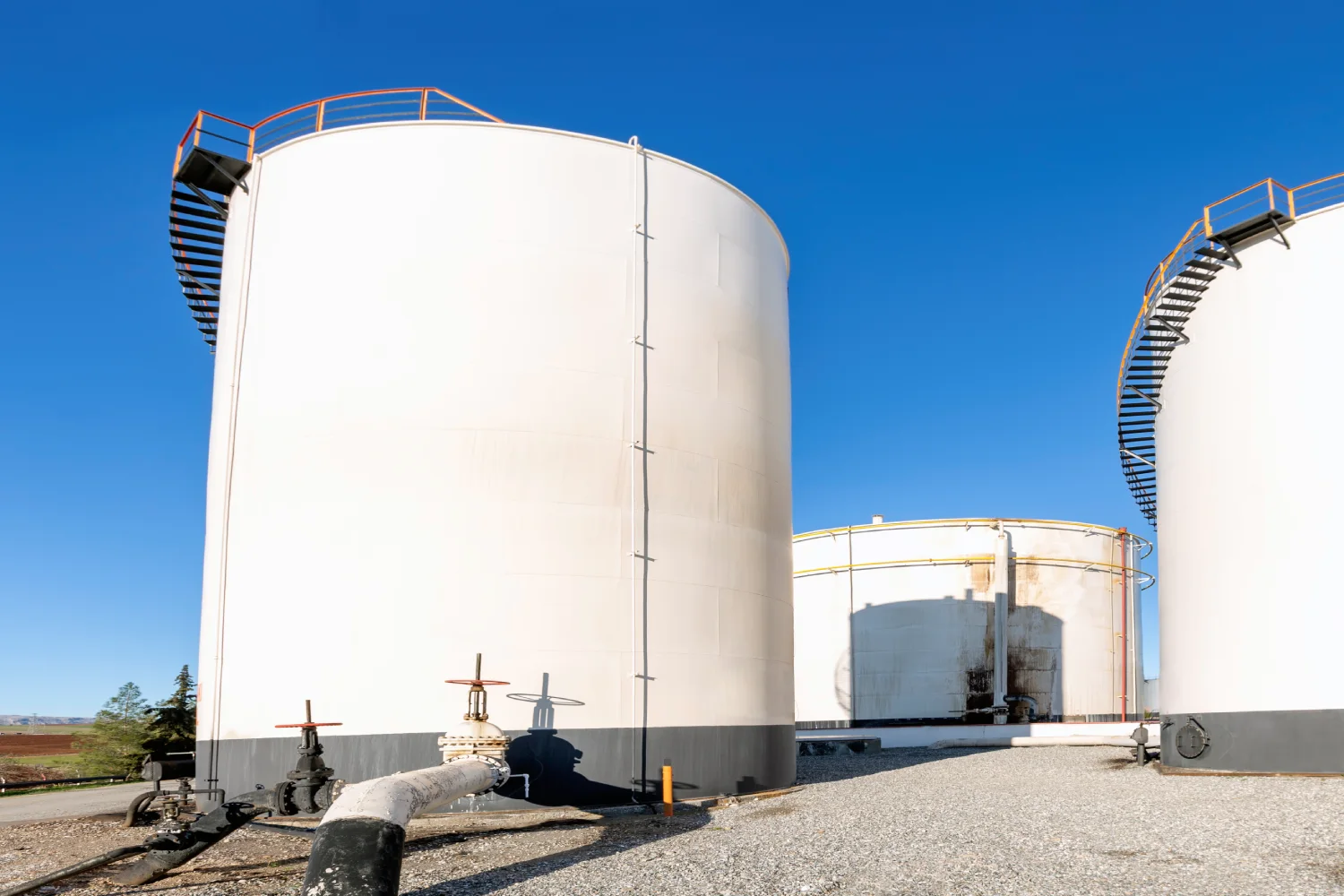
Industrial storage tanks play a critical role across California’s manufacturing, agriculture, water treatment, energy, food processing, and chemical industries. From storing potable water and wastewater to holding chemicals, fuels, and industrial liquids, these tanks must perform reliably under demanding conditions. California presents a unique operational environment for storage tanks because of its strict regulatory framework, aggressive coastal and inland climates, and heightened seismic activity. As a result, tank accessories, fittings, and restraint systems are not optional add-ons but core components of safe and compliant tank design.
Among the most important considerations for tank owners and engineers are corrosion resistance, earthquake safety, long-term durability, and ease of installation. High-quality tank fittings ensure that tanks function efficiently while minimizing the risks of leakage, contamination, or structural failure. Rhino Tank Fittings has become a recognized name in this space, offering solutions designed to meet the technical, environmental, and regulatory challenges specific to U.S. industrial applications, including those found throughout California.
Understanding Rhino Tank Fittings as a Specialized Supplier
Rhino Tank Fittings is a U.S. website specializing in stainless steel tank fittings and seismic restraint systems for storage tanks. Its focus reflects the growing demand for engineered components that go beyond basic connectivity and address real-world operational risks. In California, where tanks must often comply with seismic codes, environmental regulations, and industry-specific standards, sourcing from a specialized supplier is essential.
Unlike generic fittings, professionally engineered tank accessories are designed with material traceability, precise tolerances, and compatibility with modern tank systems in mind. Stainless steel, in particular, has become the preferred material due to its strength, corrosion resistance, and longevity. A supplier that understands both material science and regulatory requirements provides a significant advantage to engineers, contractors, and facility managers tasked with maintaining safe storage infrastructure.
The Role of Tank Fittings in Industrial Storage Systems
Tank fittings serve as the functional interfaces between a storage tank and the surrounding system. They enable fluid transfer, pressure regulation, inspection, cleaning, and maintenance. Without properly designed fittings, even the most robust tank shell can become a liability. In California’s industrial facilities, tank fittings must often handle wide temperature ranges, chemical exposure, frequent use, and seismic movement.
Industrial tank fittings typically include manways, nozzles, flanges, vents, drains, and specialized connectors. Each component must be engineered to maintain structural integrity while allowing safe and efficient operation. Poorly designed or low-quality fittings can introduce stress points, increase the likelihood of leaks, and complicate compliance with state and federal regulations. This is why industrial operators increasingly seek out suppliers with a proven focus on quality and safety.
Why Stainless Steel Is the Preferred Material
Stainless steel has become the material of choice for many industrial tank fittings, particularly in California. Its resistance to corrosion is especially valuable in coastal regions where salt air accelerates metal degradation, as well as in agricultural and chemical environments where exposure to aggressive substances is common. Stainless steel also performs well under high pressure and temperature variations, making it suitable for a wide range of storage applications.
Another advantage of stainless steel is its hygienic properties. In food and beverage processing, pharmaceuticals, and potable water storage, material cleanliness and resistance to bacterial growth are critical. Stainless steel fittings can be manufactured with smooth finishes that reduce contamination risks and simplify cleaning procedures. Rhino Tank Fittings emphasizes stainless steel solutions precisely because they align with these performance and compliance needs.
Corrosion Resistance and Long-Term Cost Efficiency
Corrosion is one of the most significant threats to storage tank systems. In California, corrosion risks vary by region but remain a constant concern statewide. Coastal humidity, agricultural chemicals, industrial effluents, and even treated water can all contribute to material degradation over time. Selecting corrosion-resistant fittings is not only a matter of safety but also a long-term financial decision.
High-quality stainless steel fittings offer superior resistance to pitting, crevice corrosion, and stress corrosion cracking. While the initial investment may be higher than that of carbon steel or lower-grade materials, the lifecycle cost is often significantly lower. Reduced maintenance, fewer replacements, and minimized downtime translate into tangible operational savings. For facility owners focused on total cost of ownership, corrosion-resistant tank accessories are an essential part of asset management strategy.
You can also read about the Ultimate Easy Dumpster Rental Eagle Dumpsters Guide.
Earthquake Safety and Seismic Restraint Systems
California’s seismic activity introduces unique challenges for storage tank design and installation. Earthquakes can cause tanks to shift, overturn, or experience significant stress at connection points. Tank fittings are often among the most vulnerable components during seismic events because they concentrate stress where pipes, valves, and structural supports meet the tank shell.
Seismic restraint systems are engineered to secure tanks and their fittings against ground movement. These systems help distribute seismic forces more evenly, reducing the likelihood of catastrophic failure. Rhino Tank Fittings integrates seismic considerations into its product offerings, addressing the need for compliance with California building codes and engineering standards. For industries operating in high-risk seismic zones, these systems are not merely recommended but often required.
Regulatory Environment in California
California enforces some of the most stringent industrial and environmental regulations in the United States. Agencies such as Cal/OSHA, the California Environmental Protection Agency, and local water boards impose requirements that directly impact storage tank design and operation. In addition, building codes incorporate seismic provisions that affect how tanks and their fittings must be installed.
Compliance with these regulations requires more than just proper documentation. Equipment must be designed, manufactured, and installed in accordance with recognized standards. Using tank fittings from a specialized supplier helps simplify compliance by ensuring that components meet applicable codes and performance criteria. This reduces the risk of costly retrofits, fines, or operational shutdowns due to non-compliance.
Installation Considerations for Industrial Tank Fittings
Proper installation is as important as product quality when it comes to tank fittings. Even the best-engineered component can fail if installed incorrectly. In California, installation practices must account for seismic loads, thermal expansion, and site-specific conditions such as soil stability and environmental exposure.
Professional installation typically involves careful alignment, appropriate torque application, and the use of compatible gaskets and fasteners. Installers must also ensure that fittings are accessible for inspection and maintenance. Rhino Tank Fittings products are designed with practical installation in mind, helping contractors achieve secure connections while minimizing installation time and complexity. This focus on real-world usability is particularly valuable in large-scale industrial projects where efficiency and consistency are critical.
Industrial Applications Across California
California’s diverse economy results in a wide range of applications for industrial tank fittings. In agriculture, tanks are used for irrigation water, fertilizers, and pesticides, all of which demand corrosion-resistant and leak-proof fittings. In the food and beverage sector, sanitary design and material compatibility are paramount. Water and wastewater treatment facilities rely on durable fittings to handle continuous operation and exposure to treated and untreated water.
The energy and chemical industries present additional challenges, including high pressures, hazardous materials, and strict safety requirements. In all of these applications, tank fittings must perform reliably under demanding conditions. Rhino Tank Fittings addresses these varied needs by focusing on engineered solutions rather than one-size-fits-all products.
Maintenance, Inspection, and Lifecycle Management
Ongoing maintenance and inspection are essential for ensuring the long-term performance of storage tank systems. Tank fittings should be inspected regularly for signs of wear, corrosion, or loosening, particularly after seismic events or extreme weather. Choosing high-quality fittings simplifies maintenance by reducing the frequency of issues and making components easier to service.
Lifecycle management involves planning for inspection intervals, replacement schedules, and potential system upgrades. Stainless steel fittings with robust construction tend to offer longer service lives, which aligns with the asset management goals of many California facilities. By investing in durable components upfront, operators can reduce long-term risk and improve operational predictability.
Sustainability and Environmental Responsibility
Sustainability is an increasingly important consideration in California’s industrial sector. Storage tanks and their fittings play a role in preventing leaks, spills, and contamination that could harm the environment. High-quality fittings contribute to environmental protection by maintaining system integrity and reducing the likelihood of accidental releases.
Stainless steel is also a recyclable material, supporting broader sustainability objectives. Facilities seeking to align with environmental best practices often prioritize durable, long-lasting components that minimize waste and resource consumption over time. In this context, engineered tank fittings represent both a safety measure and an environmental investment.
Selecting the Right Tank Fittings Partner
Choosing a supplier for industrial tank fittings is a strategic decision. Beyond product specifications, buyers should consider technical expertise, regulatory awareness, and application-specific knowledge. A supplier that understands California’s seismic risks, environmental conditions, and compliance requirements can provide more than just hardware; it can offer confidence and risk reduction.
Rhino Tank Fittings stands out by focusing on stainless steel tank fittings and seismic restraint systems tailored to U.S. industrial standards. This specialization allows customers to source components that are aligned with real-world operational demands rather than generic global products that may not meet local requirements.
Future Trends in Industrial Tank Accessories
As industries evolve, so too do the demands placed on storage tank systems. Increased automation, digital monitoring, and predictive maintenance are influencing how tank fittings are designed and used. Future fittings may incorporate features that support sensors, remote inspection, or enhanced safety controls.
In California, climate considerations and regulatory changes will continue to shape industrial infrastructure. Suppliers that invest in engineering innovation and regulatory alignment will be best positioned to support these trends. High-performance materials, improved seismic designs, and simplified installation methods are likely to remain key focus areas.
Conclusion: Building Resilient Storage Systems
Industrial storage tanks are foundational assets, and their performance depends heavily on the quality of their fittings and accessories. In California’s demanding operational environment, corrosion resistance, earthquake safety, and regulatory compliance are non-negotiable requirements. Selecting engineered, stainless steel tank fittings designed for these challenges is a prudent and forward-looking decision.
By focusing on durability, safety, and practical installation, Rhino Tank Fittings supports the development of resilient storage systems that protect people, assets, and the environment. For industrial operators, engineers, and contractors seeking reliable tank accessories and seismic solutions, investing in specialized, high-quality fittings is an essential step toward long-term operational success.