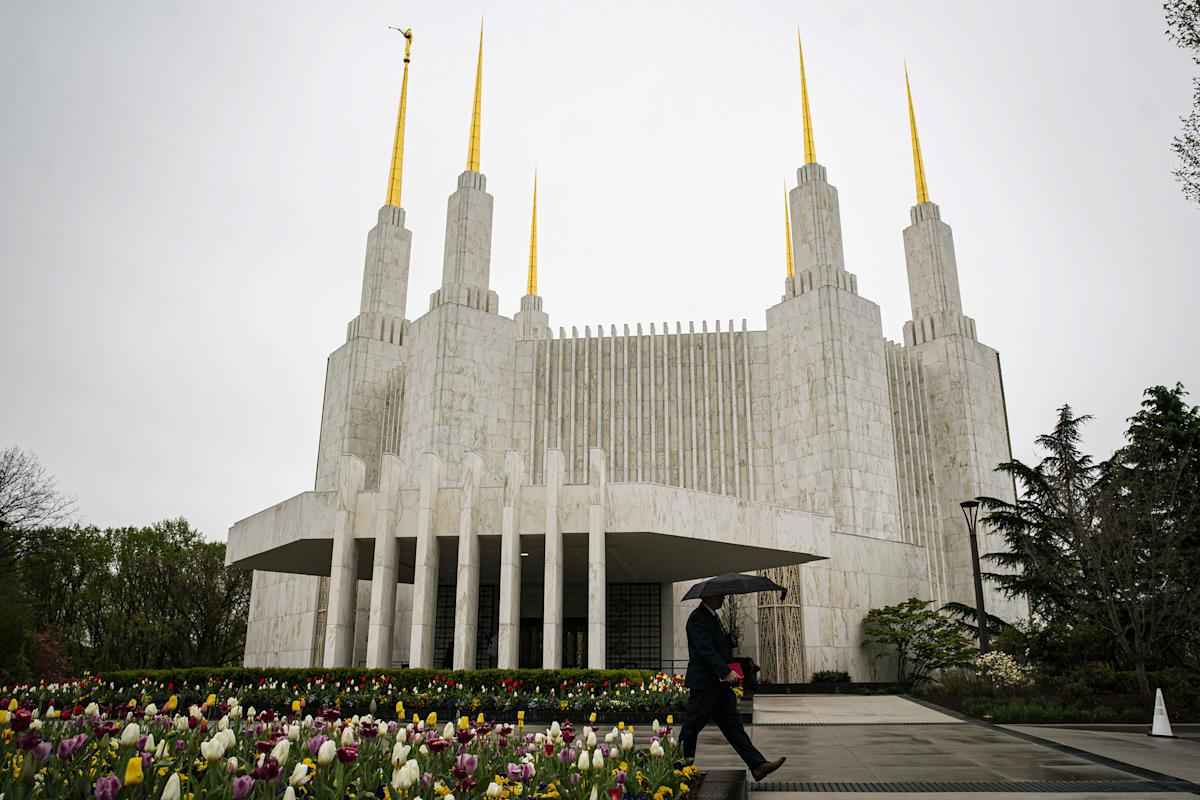
The Church of Jesus Christ of Latter-day Saints (LDS Church), often called the Mormon Church, has built one of the world’s largest religious fortunes—estimated at $293 billion in investments. This isn’t just about faith; it’s a masterclass in disciplined financial strategy, from tithing revenue to savvy diversification. How did a church founded in debt achieve this? We’ll break down the key drivers, assets, and debates, drawing from public filings, historical records, and legal disclosures. Understanding the Mormon Church’s investment strategy reveals lessons in long-term wealth building for any organization.
The Economics of Faith
Faith and finance intertwine in the LDS Church’s story, turning spiritual commitments into economic power.
From Debt to Dominance: A Historical Pivot
In the 19th century, the church faced near-collapse after founder Joseph Smith’s death, with debts exceeding $1.4 million (millions today). Brigham Young pivoted in the 1870s by emphasizing self-reliance, cooperatives, and tithing. By the mid-20th century, post-World War II growth and centralized control flipped the script—debts cleared, surpluses grew. This shift laid the foundation for today’s $293 billion empire.
Defining the $293 Billion Estimate: Assets vs. Liquid Reserves
The $293 billion figure, reported by The Wall Street Journal in 2023 from leaked internal documents, refers to Ensign Peak Advisors’ liquid investment reserves—not total assets, which likely exceed $500 billion, including real estate and subsidiaries. It’s conservative: SEC filings show $50+ billion in stocks alone, with the rest in bonds, alternatives, and cash equivalents. Key distinction: These are rainy-day funds, not operating cash.
The Primary Revenue Stream: Tithing and Financial Discipline
Tithing forms the backbone of LDS Church’s finances, generating billions annually through member commitment.
The 10% Mandate: How Tithing Powers the Pipeline
Members pledge 10% of income—gross or net varies by interpretation—creating a steady revenue model. With 17 million members worldwide, even modest averages (e.g., $2,000–$3,000 per household) yield $10–$20 billion yearly, per estimates from church financial analyses. It’s voluntary yet culturally ingrained: Fast offerings and mission funds add layers.
Centralized Administration: The Role of the First Presidency
The First Presidency and Quorum of the Twelve Apostles oversee all finances from Salt Lake City. No public budgets or audits—funds flow to headquarters, then to investments. This top-down model minimizes waste, with “no paid clergy” saving millions in salaries.
You can also read about pedro vaz paulo
The “Surplus” Model: Funneling Excess Revenue into Capital Markets
After covering operations (estimated 10–20% of intake), surpluses go to Ensign Peak. This compounding engine has grown tithing revenue model contributions exponentially—think 7–10% annual returns over decades.
Ensign Peak Advisors: The Quiet Giant of Wall Street
Ensign Peak Advisors manages the church’s core portfolio, operating like a hedge fund with religious discipline.
The Evolution of the Church’s Investment Arm
Founded in 1969 amid financial pressures, Ensign Peak started small but scaled with church growth. By 2019, a whistleblower revealed its secrecy; it’s now the 5th-largest U.S. nonprofit holder of public equities.
Investment Philosophy: Long-Horizon Compounding and Risk Mitigation
Focus on low-volatility, index-like strategies: 70% equities (S&P 500 trackers), 30% fixed income. No leverage or speculation—aim for steady 5–8% real returns via dollar-cost averaging. Risk mitigation includes geographic diversification and avoiding sin stocks.
The Scale of the Portfolio: Analyzing SEC 13F Filings
Quarterly 13F filings list $50–$60 billion in stocks (e.g., Apple, Microsoft, top holdings). Total Ensign Peak investments hit $293 billion by layering private assets. Here’s a snapshot:
| Category | Estimated Allocation | Examples |
|---|---|---|
| Equities | 60–70% | Tech giants, index funds |
| Fixed Income | 20–30% | Treasuries, municipals |
| Alternatives | 10% | Private equity, real estate funds |
Compare holdings against your portfolio for long-term ideas—focus on blue-chips.
Diversification Beyond the Stock Market: Tangible Assets
The church spreads risk with $100+ billion in non-stock holdings.
The Massive Mormon Ranch Plan: Agriculture and Deseret Ranches
Deseret Ranches span 290,000 Florida acres—the world’s largest contiguous cattle ranch—producing beef, citrus, and timber. Value: $1–2 billion, hedging food security.
Commercial Real Estate: The City Creek Center and ZCMI Center Mall
Salt Lake City’s City Creek Center ($1.5 billion development) generates retail rents. Church-owned properties total 2+ billion square feet globally.
For-Profit Subsidiaries: Beneficial Financial Group and Deseret Management Corporation

Beneficial Life Insurance and Deseret Management (media, publishing) add $500 million+ revenue, blending profit with mission.
The Strategic Rationale: Why Amass a “Rainy Day” Fund?
This hoard of funds perpetuity, rooted in history and doctrine.
Historical Financial Trauma: Moving Past the Bankruptcy Era
1890s federal seizures forced restructuring; leaders vowed never again.
Funding a Global Expansion: The Cost of Temples and Missionary Service
300+ temples cost $100–$200 million each; 70,000 missionaries yearly run $1 billion+.
The Theological Justification: Financial Self-Reliance and the “Second Coming”
Doctrine pushes “live providently”—stockpile for end times, per leaders like Russell M. Nelson.
Scrutiny and Transparency: The Legal and Public Backlash
Secrecy sparked debates on LDS Church finances.
The SEC Settlement: Disclosure Failures and “Shell” Companies
2023: $5 million fine for hiding $32 billion via 13 Cayman shells, per whistleblower David Nielsen.
The James Huntsman Lawsuit: Allegations of Misused Tithing
Dismissed in 2023, it claimed tithing funded a hospital; it highlights tensions.
The 501(c)(3) Debate: When Does a Church Function Like a Hedge Fund?
Critics question tax-exempt status for investment giants; no changes yet.
Mission vs. Capital: Balancing Humanitarian Aid and Reserves
Aid is robust but pales vs. reserves.
LDS Charities and the Scale of Global Humanitarian Service
$1–2 billion yearly on disasters, welfare—topping many nations.
Welfare Square: The Micro-Economy of Church Self-Reliance
Salt Lake hub employs thousands, produces goods via farms and factories.
The Growing Pressure for Increased Philanthropic Ratios
Members push for more spending; church defends reserves.
Operational Costs: What it Takes to Run a Global Church
Expenses consume ~20% of revenue.
Maintaining the Temple Network and Church Office Buildings
$2–3 billion yearly for 100+ million sq ft.
Funding the Missionary Program and Genealogical Research
FamilySearch.org serves billions of records free.
Education and Employment: Deseret Industries and BYU Systems
BYU network enrolls 70,000; thrift stores fund jobs.
Conclusion: The “Mormon Model” as a Financial Case Study
The Mormon Church amassed $293 billion through tithing discipline, centralized investing, and diversification— a blueprint for enduring wealth.
Key Takeaways from a Century of Disciplined Accumulation
- Commit to steady inflows (like 10% savings).
- Compound via low-risk, long-horizon portfolios.
- Diversify into real assets.
- Prioritize self-reliance.
The Future of the Church’s Financial Transparency and Strategy
Post-SEC, expect modest disclosures. Growth may pressure spending. Study this model: Assess your own reserves and tweak for balance.
Frequently Asked Questions
How much does the Mormon Church make from tithing?
Estimates range from $10 to $20 billion annually from 17 million members.
Is the $293 billion real?
Yes, per internal leaks and SEC data—liquid investments only.
Does the church pay taxes on investments?
No, as a 501(c)(3), but dividends face unrelated business taxes.
Assess your financial strategy against these principles—what’s your rainy-day target?