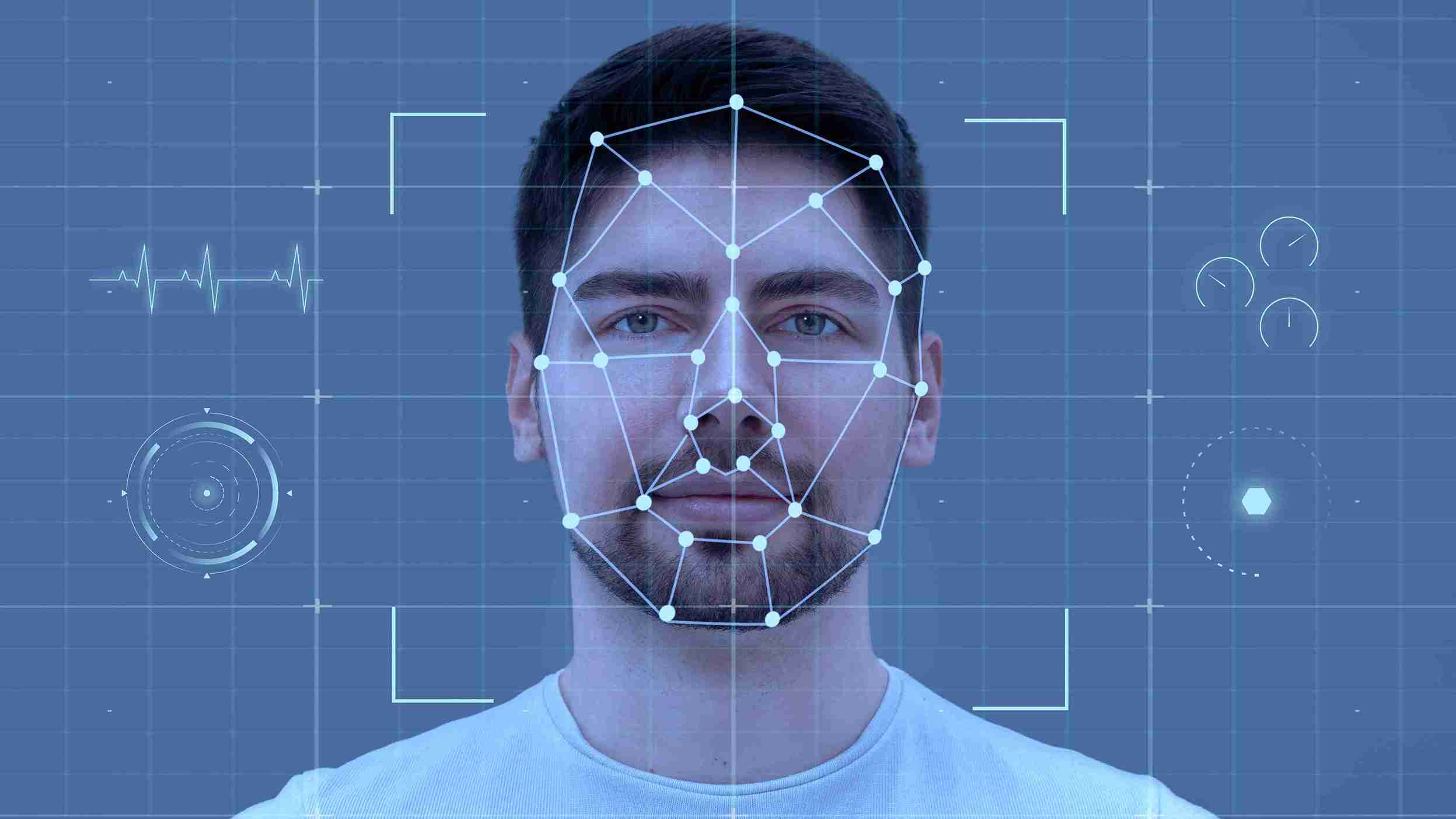
The Increasing Demand of Liveness Detection
Since the digital services are taking over the face-to-face communication, it has become an issue that there is indeed a human being on the other end of the online transaction. Photos, videos, masks, and deepfakes are becoming more and more popular among fraudsters to act anonymously on behalf of legitimate users. The identity checks used in the past cannot prevent such advanced attacks. Liveness detection bridges this gap because it will ensure that the individual interacting with a system is a live human being and not a spoofed version.
The Real Meaning of Liveness Detection
Liveness detection is a biometric security solution that is aimed at differentiating a living individual and a fake or tampered input. It operates by observing visual, behavioral or physiological clues which cannot be easily duplicated by any kind of static images or pre-recorded media. The aim is not to identify a face but also to ensure that the face is that of a living person and that the person is physically present during verification. This renders liveness detection software a vital step in the current digital identity systems.
Popular Varieties of Liveness Detection
There are usually two broad types of liveness detection namely, active and passive. Active liveness is a more complex security approach which requires a user to exercise simple actions like blinking, smiling or moving their head. These measures aid in affirming real-time interaction. Passive liveness detection on the other hand, is a background-based method and operates silently by examining facial texture, depth information, light reflections and micro-movements without any action on the part of the user. The problem-solving methods that are gaining more and more popularity are passive methods since they provide much easier user experience and yet ensure high security.
The Fraud Prevention of Liveness Detection
Liveness detection is explicitly developed to prevent the presentation attacks, where fraudsters seek to deceive biometric systems on the basis of the photos, videos, or 3D masks. Liveness detection has the ability to detect any effort to reuse stolen images or fake media by detecting natural human behavior and physical properties. It is particularly useful in the areas of banking, fintech, and digital marketplaces where remote onboarding is prevalent and fraud attempts are not uncommon.
Artificial Intelligence in the Liveness Detection
Modern liveness detection systems are based on artificial intelligence. The machine learning models are conditioned over large amounts of authentic and malicious attempts to identify subtle distinctions between authentic faces when alive and when being spoofed inputs. Such models examine the invisible patterns which include the skin reflectance and texture anomalies and timing anomalies. The systems based on AI could be more resistant to time as new methods of attack are developed and the systems can be retrained and updated.
Onboarding and Authentication Liveness Detection in digital
Digital onboarding is one of the most significant ways of using liveness detection. When an account is opened remotely by users, the businesses should make sure that an individual registering is real and present. Liveness detection is implemented to authenticate identity along with facial recognition when creating an account, making a login, and when performing high-risk operations. This mixture minimizes false acceptances but provides a seamless user experience because it allows organization to comply with regulatory provisions without causing friction.
You can also read about Ultimate NS Mainframe Guide.
Tradeoffs between Security and User Experience
One of the key issues when the liveness detection is applied is to ensure that there is a balance between the security and usability. Both very intrusive checks and much simpler checks can be frustrating and result in abandonment, whereas too simple checks can fail to prevent sophisticated attacks. Passivity liveness detection has become a solution that provides high level of protection along with little effort by the user. Its ability to operate in the background will enable organizations to protect their platforms without affecting the customer experience.
Liveness Detection Technology is facing the following challenges
Liveness detection is not deficient of its challenges, even though it has been shown to be effective. More sophisticated methods of spoofing, such as high-resolution video playbacks and deepfakes generated by AI, are still being developed. Accuracy can also be influenced by environmental factors like low quality of lighting used, poor quality of the camera, and poor internet connectivity. In order to solve these challenges, current systems are based on multi- layers analysis and model refinements as a result of changing threat scenarios.
The Future of Liveness Detection
The future of liveness detection is to integrate a number of signals into one, smart decision-making process. Facial recognition, behavioural biometrics, device intelligence and contextual information will collaborate more to enhance the level of detection. Liveness detection will take a center stage in compliance plans in any industry as the regulations on digital identity will reduce. Finally, it will be a matter of course and not an option in security features.
Faith in a Remote-First Digital Economy
In a world where people interact more and more over the Internet, one has to have a degree of trust in the capacity to confirm the presence of an actual human being. Liveness detection does deliver such assurance in the form of preventing impersonation and synthetic identity fraud. Liveness detection can ensure that organizations protect users, decrease fraud, and ensure that users have trust in the digital economy by demonstrating that each digital interaction is between a person and a computer.