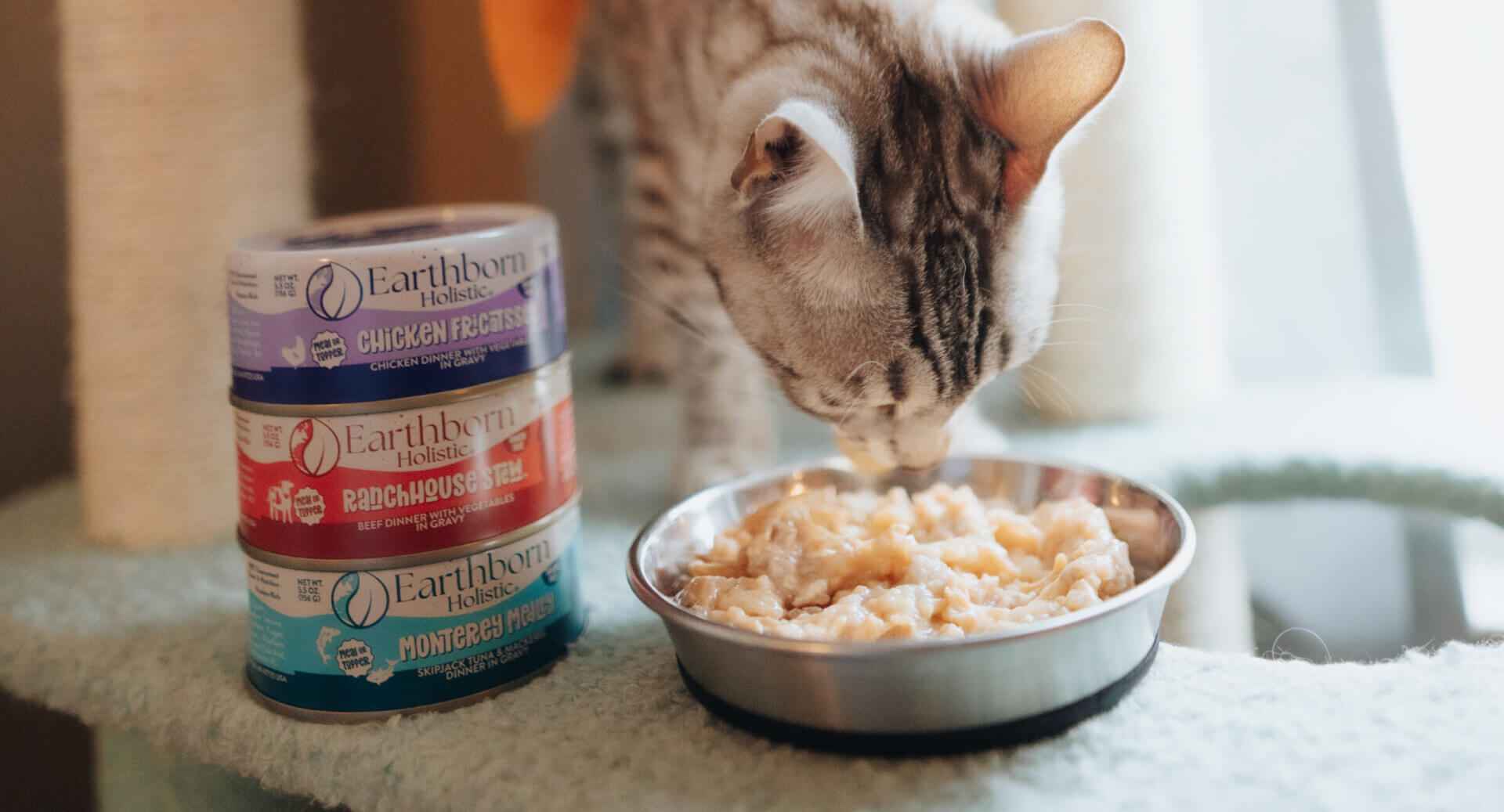
Choosing the best kitten food is one of the most important parts of caring for a young cat. Kittens grow quickly during their first year, so they need food with enough protein, calories, vitamins, minerals, and healthy fats to support strong bones, muscles, eyesight, and brain development. The right food can also help build a healthy immune system and encourage steady growth.
The best choice is usually a high-quality commercial food made specifically for kittens. Look for a product labeled “complete and balanced” for growth or for all life stages. A kitten food should also meet the nutritional standards set by the Association of American Feed Control Officials, commonly called AAFCO. These standards help ensure that the food provides the nutrients kittens need during development.
Why Kittens Need Special Food
Kittens are not simply small adult cats. Their bodies are developing every day, and they require more energy and nutrients than mature cats. Kitten food is usually richer in protein, calories, and essential nutrients than adult cat food.
Protein supports the growth of muscles, organs, skin, and fur. Healthy fats provide energy and help the body absorb certain vitamins. Nutrients such as calcium and phosphorus support developing bones and teeth, while taurine supports normal heart function, eyesight, and overall health. DHA, an omega-3 fatty acid, may also support brain and eye development.
You can also read about Milk and Honey.
Because kittens have small stomachs but high energy needs, they often do best with several small meals during the day. Animal welfare and veterinary sources commonly recommend feeding young kittens at least four times daily, although the exact schedule depends on age, size, health, and a veterinarian’s advice.
Best kitten food: Choose Complete Food
When shopping for kitten food, begin by reading the label. The product should clearly state that it is made for kittens, growth, or all life stages. Avoid choosing food based only on attractive packaging or one ingredient mentioned on the front of the package.
A complete kitten diet should provide the correct balance of protein, fat, vitamins, and minerals. It should also contain taurine because cats cannot produce enough of this nutrient on their own. Do not feed dog food as a regular diet for a kitten because it may not provide the nutrients cats require, including the proper amount of taurine.
The ingredient list can still be useful, but it should not be the only factor in your decision. A food with meat, poultry, or fish listed among the first ingredients may be appealing, but the most important question is whether the entire recipe is nutritionally complete for kitten growth. If your kitten has a medical condition, ask a veterinarian before selecting a special diet.
Wet Food or Dry Food
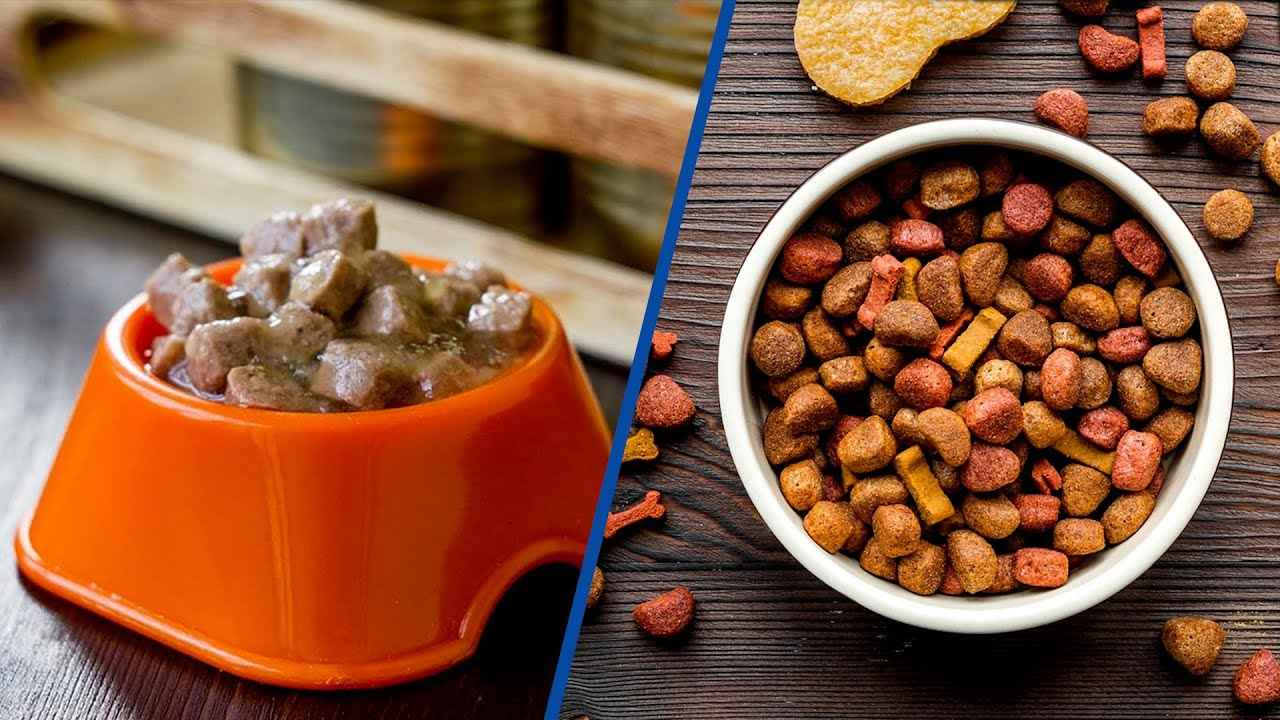
Both wet and dry kitten food can be suitable when the product is complete and balanced. Wet food contains a large amount of water, which can help kittens take in more fluid. It is often soft, easy to chew, and appealing to young cats that are still learning to eat solid food. Wet food may be especially helpful for kittens that do not drink much water.
Dry food is convenient, easy to measure, and simple to store after opening. Some kittens enjoy its crunchy texture, although dry food should not be considered a replacement for dental care. If you feed dry food, make sure your kitten has fresh water available at all times.
Many owners choose to use a combination of wet and dry kitten food. This approach can provide extra moisture while keeping feeding convenient. However, you should measure the total daily amount carefully because combining two foods can lead to overfeeding. The feeding guide on the package provides a starting point, but a veterinarian can help adjust portions based on your kitten’s growth and body condition.
Feeding Kittens by Age
Very young kittens may not be ready for regular solid food. Newborn kittens usually depend on their mother’s milk. If a kitten is orphaned or cannot nurse, it may need a commercial milk replacer made specifically for kittens. Cow’s milk is not a suitable replacement because it can upset a kitten’s stomach and does not provide the right nutrition. Orphaned kittens may require frequent feeding and careful monitoring under veterinary guidance.
Kittens generally begin the weaning process at about four weeks of age. At this stage, you can offer soft wet kitten food or dry kitten food softened with warm water or approved kitten formula. The food should be placed in a shallow dish so the kitten can learn to lap. The transition should be gradual and patient.
By eight weeks, many kittens can eat complete wet or dry kitten food without added formula. Young kittens usually need several small meals each day. From about four to six months, three or four meals may be suitable, while older kittens may gradually move toward two meals daily as they mature. Feeding needs vary, so monitor weight, appetite, energy, and stool quality instead of relying only on age.
How Much Food Is Right
The correct amount of food depends on your kitten’s age, weight, breed, activity level, and the calorie content of the product. Start with the feeding instructions printed on the package. These instructions often give a daily amount based on body weight and age.
Divide the daily amount into several meals rather than serving it all at once. Measuring food helps prevent accidental overfeeding, especially when a kitten eats both wet and dry food. Kittens need enough food to grow, but too much food can cause excessive weight gain and digestive problems.
A healthy kitten should show steady growth, have good energy, and maintain a soft but not swollen belly. You should be able to feel the ribs gently under a thin layer of body fat. Sudden weight loss, poor appetite, repeated vomiting, ongoing diarrhea, weakness, or a bloated stomach should be discussed with a veterinarian promptly.
Fresh, clean water should always be available. Wash food and water bowls regularly, and remove uneaten wet food after it has been sitting out for a while. Proper food storage helps preserve freshness and lowers the risk of spoilage.
Switching Food Safely
Some kittens adjust to a new food quickly, while others develop loose stools or refuse to eat when their diet changes suddenly. For this reason, change foods gradually over several days. Mix a small amount of the new food with the familiar food, then slowly increase the new portion while reducing the old one.
If your kitten has a sensitive stomach, the transition may need to take longer. Avoid changing several things at the same time, such as food brand, feeding schedule, treats, and bowl location. Keeping changes simple makes it easier to identify the cause of any digestive problem.
Treats should make up only a small part of a kitten’s daily intake. Too many treats can reduce interest in balanced meals and add unnecessary calories. Never use raw meat, bones, or homemade recipes as the main diet unless a qualified veterinary nutrition professional has designed the recipe. Homemade diets can become deficient in important nutrients when they are not carefully formulated.
You can also read about How to Jump a Car.
Best Choice for Your Kitten
The best kitten food is a complete and balanced recipe designed for growth, made by a reliable pet food company, and accepted well by your kitten. It should provide quality protein, suitable calories, taurine, essential fats, and the vitamins and minerals needed for development.
Wet food can support hydration, while dry food offers convenience. A combination may work well, provided you measure portions and follow the package instructions. Feed small meals regularly, provide fresh water, and watch your kitten’s growth and body condition.
Every kitten is different. A healthy kitten may thrive on a standard growth formula, while a kitten with allergies, digestive problems, poor weight gain, or another health concern may need a veterinary recommendation. When in doubt, ask your veterinarian to review the food label and feeding plan. A balanced diet during the first year gives your kitten a strong foundation for a healthy and active life.