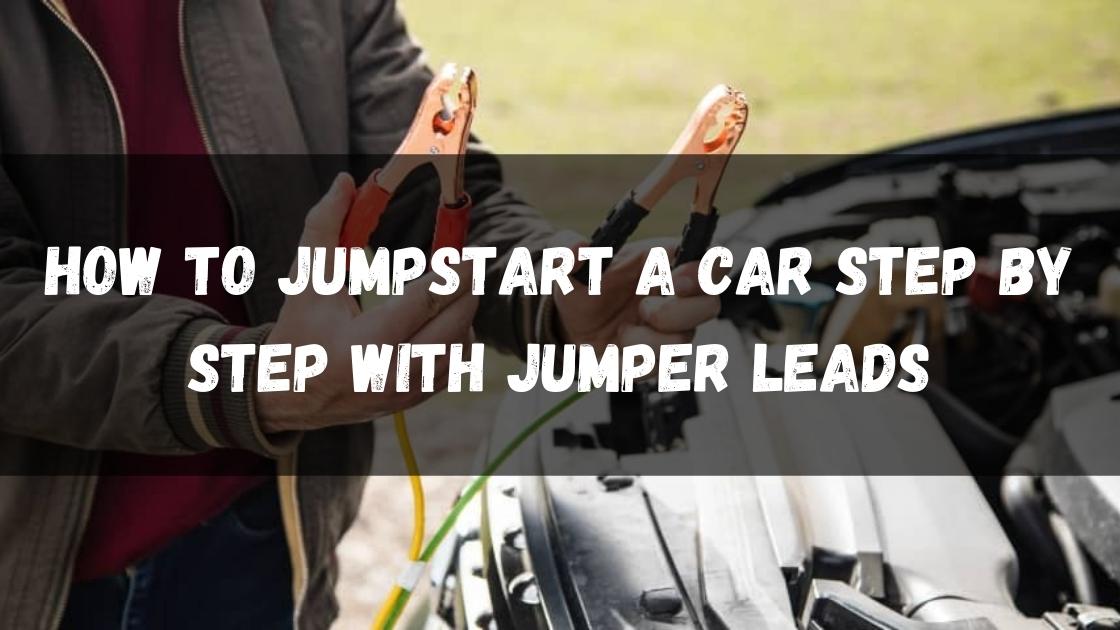
A dead battery can ruin your whole day. One minute you are ready to go, and the next minute your how to jump a car will not start at all. The good news is that jumping a car is a simple task that almost anyone can learn. You do not need to be a mechanic or have special training. All you need is a bit of patience, a few basic tools, and a little bit of know-how. This guide will walk you through the entire process in plain, simple terms so you can get back on the road as quickly as possible.
What You Will Need
Before you start, you should gather a few things. The most important item is a set of jumper cables. These are thick wires with metal clamps on each end, and you can find them at almost any auto parts store or general store. You will also need another car with a working battery to act as the helper vehicle. If you do not have access to another car, a portable jump starter battery pack can work just as well and is often even easier to use since it does not require a second vehicle at all.
You can also read about Dalton Police Department.
How to Jump a Car: Checking the Battery
Once you have your tools ready, take a moment to look at the dead battery. Open the hood of your car and find the battery, which is usually a black box with two metal posts on top. One post will have a plus sign, and the other will have a minus sign. Check the battery for any cracks, leaks, or unusual smells. If you notice any of these signs, it is best to stop and call for professional help instead of trying to jump the battery yourself, since a damaged battery can be dangerous to work with.
Positioning The Cars
If you are using another car to help, park it close to your car so the cables can reach both batteries, but make sure the two cars are not touching each other. Turn off both engines before you begin. This step matters because working around moving engine parts while cables are attached can be risky. Once both cars are parked safely and turned off, you are ready to move on to connecting the cables.
Connecting The Cables
This is the part where most people feel a little nervous, but if you follow the steps in order, it is very safe. Start by attaching one red clamp to the positive post on the dead battery. Then take the other red clamp and attach it to the positive post on the good battery. Next, attach one black clamp to the negative post on the good battery. For the final connection, do not attach the last black clamp to the dead battery.
Instead, attach it to a metal part of the dead car that is not painted, such as a bolt or bracket under the hood. This spot is called a ground point, and using it instead of the battery itself helps prevent sparks near the battery, which is a safer way to complete the connection.
Starting The Engine
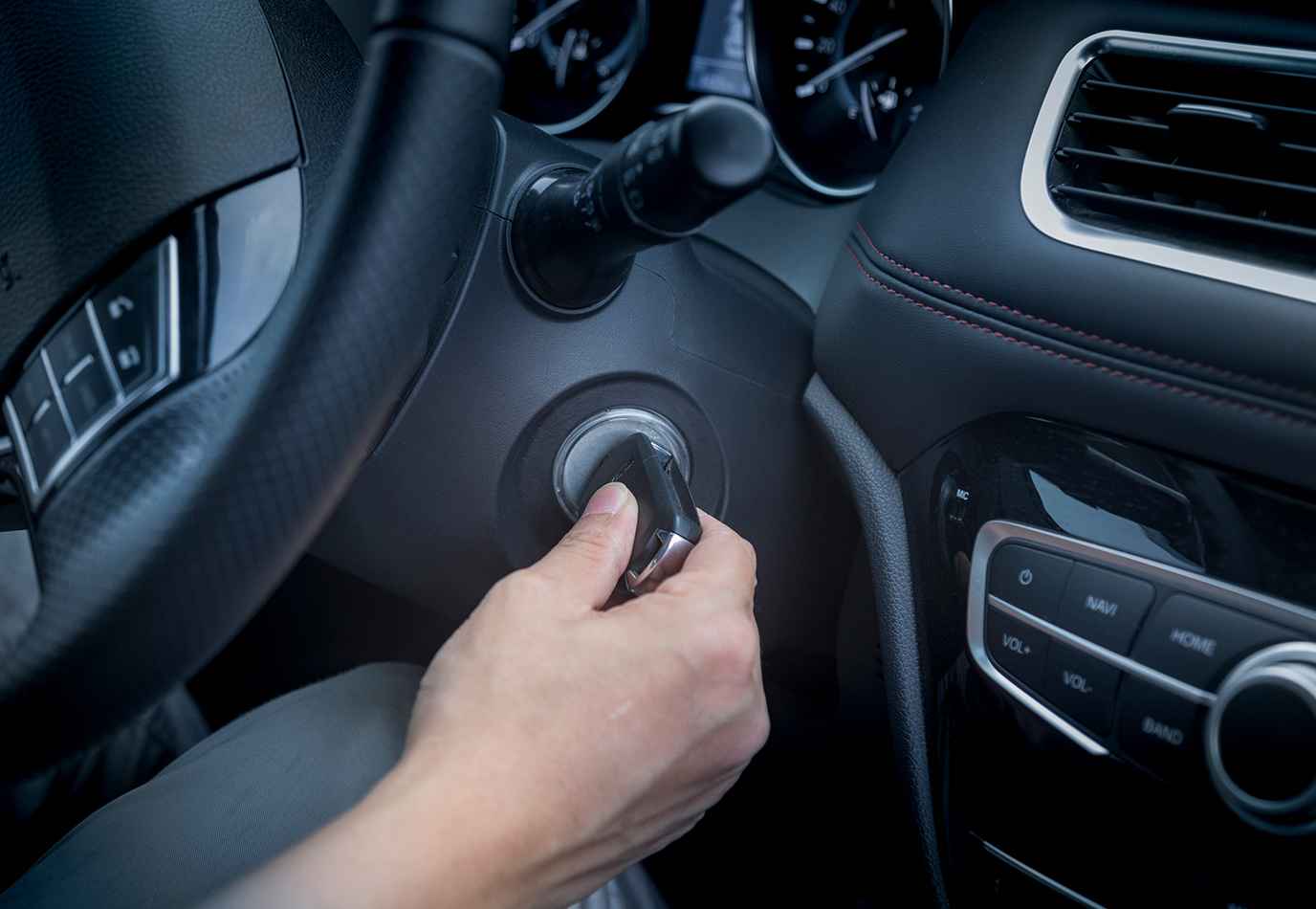
With all four clamps connected in the correct order, start the engine of the working car and let it run for a few minutes. This gives the dead battery some time to gain a bit of power through the cables. After a few minutes, try to start the car with the dead battery. If it starts up, let it run for a while so the battery can continue to charge. If the car does not start right away, wait a few more minutes and try again before giving up. Sometimes a battery just needs a little extra time to build up enough charge to turn the engine over.
Removing The Cables Safely
Once your car is running again, it is time to remove the cables, but this should be done in the reverse order of how you connected them. First, remove the black clamp from the ground point on the once-dead car. Then remove the black clamp from the good battery. After that, remove the red clamp from the good battery, and finally remove the red clamp from your own battery. Doing this in reverse order helps avoid any accidental sparks and keeps the whole process smooth and safe from start to finish.
Keeping Your Battery Healthy
After your car is running again, it is a smart idea to drive around for at least fifteen to twenty minutes so the alternator has enough time to recharge the battery further. Short trips alone will not fully charge it, so try to take a longer drive if you can. It also helps to think about why the battery died in the first place.
Sometimes it is simply old age, since most batteries only last a few years. Other times it might be caused by leaving lights on overnight or by very cold weather draining the power. If your battery keeps dying often, it may be worth having it tested at a local shop, since this can save you from being stuck with a dead battery again in the future.
You can also read about Toyota Highlander Hybrid.
Final Thoughts
Jumping a car might seem like a stressful task the first time you try it, but once you understand the steps, it becomes second nature. The key things to remember are to connect the cables in the right order, avoid attaching the final clamp directly to the dead battery, and always let the working car run for a few minutes before trying to start the other one. With a little practice and the right tools nearby, you will never have to feel helpless when your battery lets you down. Keeping a set of jumper cables in your trunk at all times is one of the simplest ways to prepare yourself for this common and easily solvable problem.