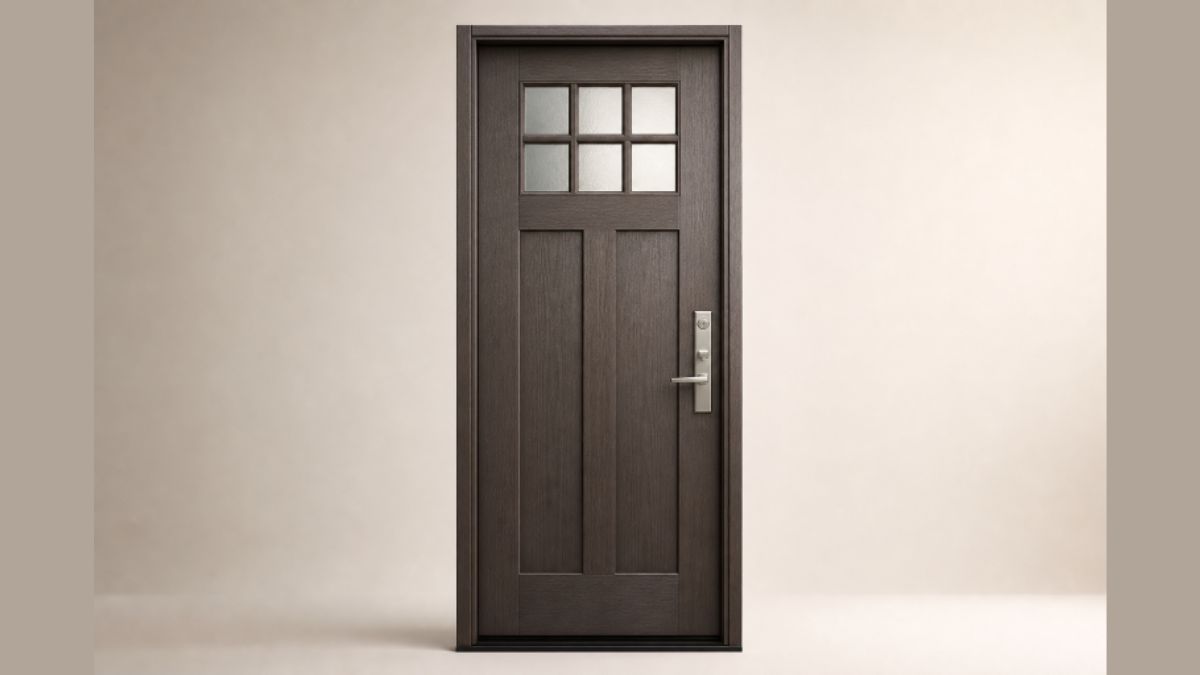
An exterior door does far more than complete a home’s curb appeal. It helps manage weather, noise, privacy, security, and the everyday flow of people, pets, packages, and guests. When comparing door replacement options like those available in Salt Lake City, focus on the full system rather than the door panel alone. The right choice is rarely just the least expensive or most decorative option. A beautiful door can still feel disappointing if it sticks, lets in drafts, lacks privacy, or sits in a worn frame. Thinking through your climate, household routines, and long-term maintenance expectations helps narrow the choices before you order.
Why Exterior Door Choice Matters
Your entry door is among the first details visitors notice, but it also creates a boundary between the indoor living space and the outdoors. A well-fitted door can reduce cold spots, wind-driven moisture, street noise, and unwanted views into the home. A poorly fitted unit can lead to rattling, difficult locks, worn finishes, and higher heating or cooling demands over time.
Start With Your Home’s Needs
Before comparing styles, identify what the door must handle. Homes exposed to intense sun, rain, snow, wind, or humidity need finishes and materials that can withstand those conditions. Also consider how often the door is used, whether children or pets push through it frequently, and whether a low threshold or easier operation would make daily life safer for aging residents. Set a complete budget that includes the unit, hardware, installation, trim, disposal, and possible frame repairs. If you want more daylight, decide how much privacy you are willing to trade for it. These answers create a clearer starting point than choosing a color first.
Compare Common Exterior Door Materials
Fiberglass Doors
Fiberglass is a popular choice for homeowners who want low maintenance and a wood-like appearance. Many options have textured skins that resemble stained or painted wood, along with insulated cores that support year-round comfort. Fiberglass resists rot, swelling, and warping, although a severe impact can crack the surface and may be harder to repair cleanly than wood.
Steel Doors
Steel doors are often selected for strength, security, and value. An insulated steel unit can offer solid performance when the frame, weather-stripping, and threshold are properly installed. The main concerns are dents, scratches, and rust. Small damaged areas should be cleaned, primed, and repainted promptly to prevent moisture from reaching exposed metal.
Wood Doors
Wood delivers natural warmth, rich grain, and broad design flexibility. It can be an excellent choice for traditional homes or distinctive architectural styles, but it requires more attention. Direct sun and moisture can affect the finish, so regular inspection, sealing, staining, or painting is important. Independent guidance on entry door materials can help homeowners weigh these trade-offs without focusing on a specific brand.
Look Beyond the Door Material
A door is a system of connected parts. Look for an insulated core, durable hinges, a secure strike plate, quality weather-stripping around the jamb, and a threshold designed to shed water. The frame must be square and solid enough to keep the latch and deadbolt aligned. Finish quality also matters, especially on doors that receive strong afternoon sun or frequent rain.
Choose Glass, Sidelights, and Transoms With Care
Glass can make an entry feel brighter and more inviting, but it changes privacy, heat gain, and visibility. Clear glass offers the most light and the least privacy. Textured, frosted, tinted, or decorative glass can soften views while still admitting daylight. Sidelights and transoms further expand the visual impact, but they should be planned with window coverings, privacy film, and safety glazing in mind.
Review Energy Performance
Energy performance depends on insulation, air sealing, glass, and installation quality. Check product labels for U-factor and air-leakage information instead of judging efficiency by thickness or appearance alone. Lower air leakage reduces drafts, while a lower U-factor generally indicates less heat transfer. The practical advantages of insulated construction and weather-resistant fiberglass are explained in this overview of fiberglass entry door performance.
Watch for warning signs that the existing door system is underperforming:
- Cold air or heat near the door.
- Visible daylight around the frame.
- Rattling during the wind.
- Condensation around glass or metal components.
- A door that takes excessive force to close or latch.
Match the Style to the Home
Choose a design that relates to the home’s rooflines, trim, windows, siding, and overall era. Craftsman doors often feature vertical panels and small upper lights. Traditional homes may suit raised panels or decorative glass, while modern exteriors often look best with clean lines and simple hardware. View paint and stain samples outdoors at different times of day, since sunlight can make colors appear much warmer or cooler than expected.
Measure Before Ordering
Measure the existing slab height, width at several points, thickness, jamb depth, and available clearance. If replacing the complete frame, measure the rough opening as well. Confirm the swing direction from the exterior side and check for nearby steps, walls, storm doors, furniture, or other doors that could limit operation. Older homes, sidelights, transoms, and nonstandard openings deserve an extra verification before ordering.
Choose Between a Slab and a Pre-Hung Door
A slab is the door panel only, while a pre-hung unit includes the door, frame, hinges, and related components. A slab replacement can work when the existing jamb is square, sound, and compatible with the new door. A pre-hung door is usually the better solution when the frame is damaged, out of square, poorly sealed, or difficult to align. It can cost more upfront, but it may solve several fit problems at once.
Plan for Security and Full Project Costs
Security starts with solid construction, reinforced lock areas, a quality deadbolt, and long screws that anchor the strike plate into framing. Smart locks add convenience but do not replace strong hardware and accurate alignment. When reviewing quotes, compare the complete scope: door, frame, glass, handles, locks, trim, old-door removal, repairs, finishing, labor, cleanup, and warranty terms.
When Professional Installation Makes Sense
Professional installation is especially valuable when there is water damage, a warped opening, masonry work, structural repair, or a change in door size. Poor installation can undermine even an excellent door by causing leaks, drafts, sticking, and lock problems. Ask who handles measurements, permits, final adjustments, and responsibility for concealed damage discovered during removal.
Final Decision Checklist
- For low upkeep: Choose fiberglass or well-finished steel.
- For natural character: Consider wood and plan for routine finish care.
- For added daylight: Select glass, sidelights, or a transom with privacy in mind.
- For long-term comfort: Prioritize insulation, weather sealing, a sound frame, and careful installation.
The best exterior door is the one that fits your home’s climate, design, security needs, and daily routine. By considering the complete system, measuring accurately, and planning for installation as carefully as the door itself, you can make a choice that looks welcoming and performs reliably for years.
Conclusion
Choosing an exterior door is a long-term home improvement decision that should balance appearance with comfort, security, weather resistance, and maintenance needs. Fiberglass, steel, and wood can all be excellent choices when matched to the home’s climate, design, and household routine. However, the door material is only part of the equation. Glass, weather-stripping, hardware, thresholds, frame condition, accurate measurements, and professional installation can all influence how well the finished door performs. By comparing the complete system, reviewing total project costs, and addressing potential frame or moisture problems before installation, homeowners can avoid unnecessary repairs and disappointing results. The right exterior door should complement the home while providing dependable protection, efficient sealing, convenient operation, and lasting performance for years to come.