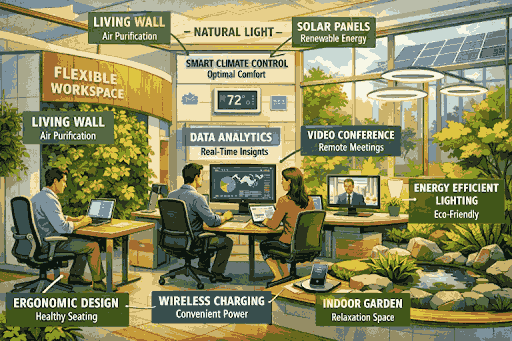
The commercial construction industry is entering a transformative era, with 2026 marking a pivotal point for creativity and efficiency in workspace design. Business owners, developers, and architects must remain agile and informed about evolving approaches if they wish to stay ahead in a highly competitive market. Flexible interiors, sustainable practices, and advanced technology now redefine how commercial environments are planned and experienced. Browse here for insights and inspirations on how the latest innovations can be incorporated into your next commercial build-out.
As shifting business strategies and changing workforce needs continue to impact how spaces are used, adopting a forward-thinking approach has become essential. Trends such as biophilic design, smart building technologies, and a renewed emphasis on well-being reflect a commitment not just to efficiency, but also to the holistic experience of those inhabiting these spaces. By prioritizing adaptability and user-centric solutions, the industry is embracing a future that places both people and the planet at its core.
Environmental goals, increased demand for hybrid work environments, and advanced. At the same time, integrating all fuels is currently a trend in commercial design. Sustainable materials, personalized amenities, and responsive systems are quickly becoming the gold standard for the next generation of office, retail, and hospitality spaces. A careful blend of these emerging trends ensures not only regulatory compliance but also satisfaction for both tenants and visitors.
Keeping a pulse on these themes can empower businesses to build flexible, inspiring, and sustainable environments that accommodate changing needs and market expectations.
Flexible and Adaptive Interiors
Today’s commercial developments are designed for versatility, enabling businesses to pivot quickly as needs evolve. Features such as modular walls, demountable partitions, and convertible furniture create spaces that can shift from individual workstations to collaborative or event spaces in minutes. These changes help companies scale up or down with minimal disruption, making real estate investments more resilient in fluctuating markets. Additionally, digital tools such as room reservation platforms and occupancy sensors help optimize utilization, reducing downtime and energy waste while boosting productivity. For a deeper dive on adaptive architecture, CNBC discusses how companies are rethinking their workspaces.
Health, Wellness, and Biophilic Design
The focus on wellness in design now extends beyond physical health to include emotional and mental well-being. Access to daylight, fresh air, and views of nature all contribute to a more restorative atmosphere, while green walls, living ceilings, and indoor gardens have become symbols of a commitment to healthier workplaces. Upgrades to HVAC systems, alongside touchless technology and antimicrobial materials, support better hygiene and employee safety. Wellness hubs for meditation or relaxation, along with active spaces for movement or exercise, are on the rise, recognizing that happy, healthy occupants drive business success. These shifts are underscored by Forbes’ guidance on wellness-centered workspace trends.
Smart Building Integration
Digital transformation is making buildings smarter, cheaper to operate, and more comfortable for users. Commercial properties are now leveraging the Internet of Things (IoT) to automatically control lighting, heating, cooling, and security based on real-time data. Sensors and advanced analytics not only help minimize energy consumption and operating costs but also reduce the risk of equipment failure by providing predictive maintenance alerts. Integrated building management platforms centralize control, streamline tasks, and deliver detailed insights to property managers. The result is an environment that intuitively responds to occupant needs and usage patterns while lowering the building’s overall carbon footprint.
Sustainable Practices and Materials
Eco-conscious design is more than a trend. It is a mandate in the modern marketplace. Their environmental credentials are increasingly measured in commercial build-outs. The use of recycled, reclaimed, or rapidly renewable materials conserves resources while supporting green certifications like LEED. Energy-efficient windows, cool roofs, and advanced insulation ensure superior thermal comfort and lower operational emissions. Access to on-site renewables, such as solar power, is expanding, making it easier for properties to reduce reliance on traditional energy sources. These practices directly benefit the environment and demonstrate a commitment to sustainability that resonates with both clients and occupants.
You can also read about Industrial Adhesives in Modern Manufacturing.
Elevated Customer and Tenant Experience
Ultimately, the success of a commercial space hinges on how well it meets the needs of its users. Brand expression, cultural fit, and personalization are being integrated into every aspect of the built environment, from dynamic signage and custom finishes to sensory-rich public areas and seamless digital interfaces. Tenant amenities such as fitness suites, cafes, tech lounges, and green spaces foster a sense of community and well-being. Thoughtful consideration of acoustics, lighting, and accessibility ensures every user enjoys comfort and convenience. A relentless focus on enhancing experiences not only boosts retention but also turns spaces into destinations of choice for tenants and customers alike.
Embracing these forward-thinking trends allows stakeholders in commercial real estate to realize greater value from their projects. The integration of flexibility, health, technology, sustainability, and experience-driven design ensures commercial spaces in 2026 will be vibrant, connected, and ready for the challenges of tomorrow.