A teenager clicks “I’m 18” on a pop-up and walks into content created for adults. This one click was okay before but it is not okay anymore. Most states in the United States have made laws that say websites have to really check how old users are; they cannot just use a checkbox. The age verification software is now something that has to be used all the time; it is not something that runs in the background. Companies that do not use it are getting in trouble. They have to pay a lot of money, sometimes hundreds of thousands of dollars, when they do something wrong.
Understanding What Age Verification Software Actually Does
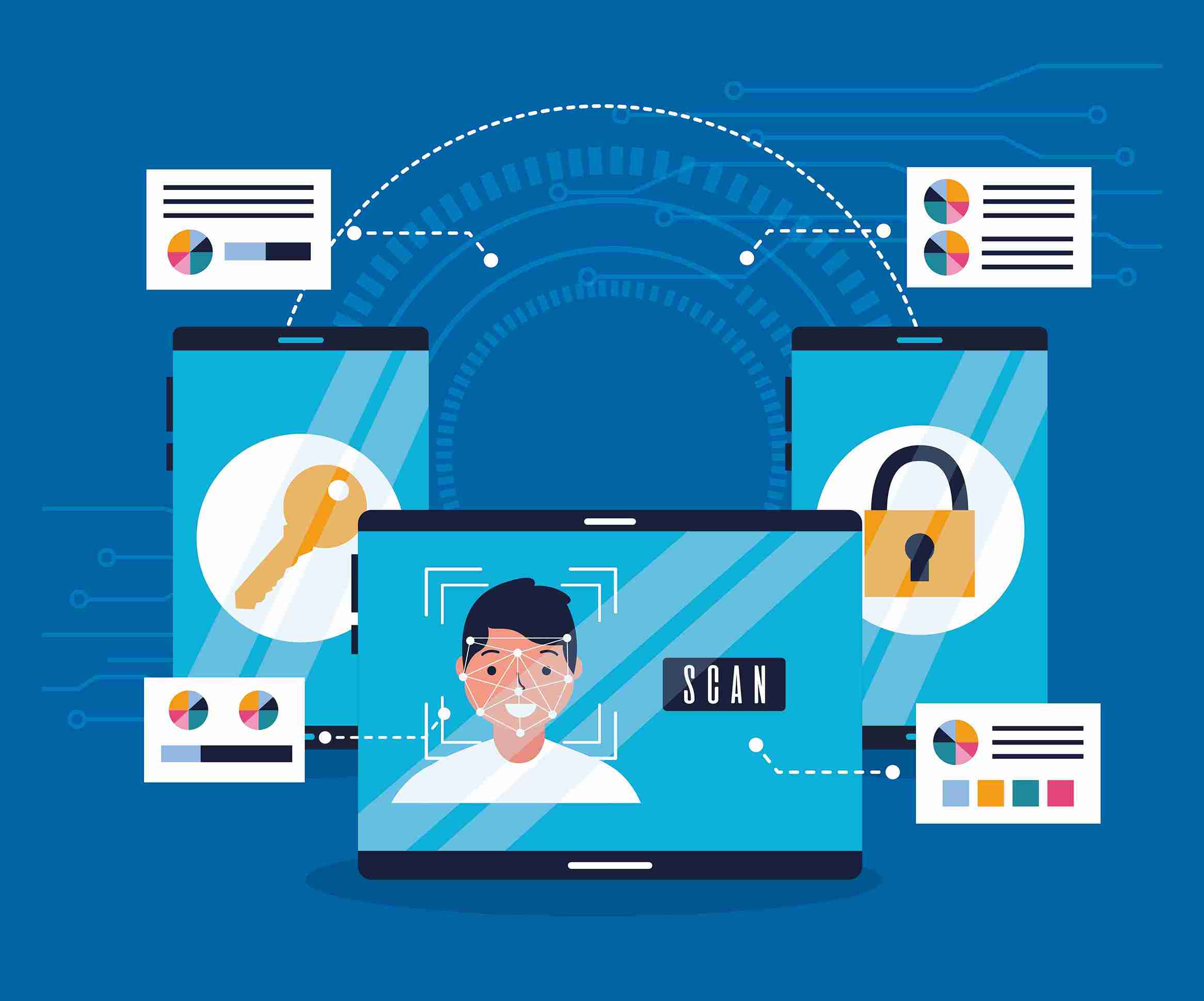
Age verification software checks if a user is old enough to use a website, app or service. The way it works is different for each tool. Some tools look at government-issued IDs. They match the ID with a selfie using a kind of detection. Others try to guess a user’s age by looking at their face. They do not ask for any documents. Some new tools just say yes or no. They say things like “this user is over 18”, and that is it. They do not keep any information about the user.
This is important because people who make rules and privacy advocates like solutions that check a user’s age without storing information. Some states like Texas and Louisiana say that companies that verify age cannot keep information about users once they have checked it. This means that companies are looking for tools that are more private. These tools do not store a lot of documents on the company’s computers. Age verification software is getting better at doing this. Age verification software is important for keeping users safe.
Why Are Age Verification Software Providers Multiplying Fast?
The reason there are so many age verification software providers now is because of the laws. Louisiana passed the law about age verification for adult content in 2022 and now it applies to social media, gaming, app stores and online shopping. The Supreme Court said Texas’s age verification law is okay, so lawmakers in states are passing similar laws. Nebraska, Virginia, Ohio and California have all set dates to start implementing these laws in 2026 and app store laws in Utah and Louisiana are adding rules for developers.
This is a problem for businesses that operate nationally. A verification process that works in Texas might not work in Utah or California. Providers that can adjust to state standards are the ones businesses want to work with.
Which Age Verification Software Stands Out?
The thing that matters most when choosing age verification software is a few practical considerations rather than what the companies say about themselves. Below are some of the features that make the tool stand out:
Precision Across Age Brackets
A good system can tell the difference between a 16-year-old and an 18-year-old. Some tools are better at this than others, so it is important to test them before choosing one.
Minimal Data Retention
It is best to ensure that a user is of legal age. Then get rid of the sensitive information. This is what the stricter state laws want. It also helps businesses in case of a data breach.
Smooth User Experience
The verification process should not take more than a few minutes or feel invasive. The best platforms can do checks in seconds whether it is by scanning documents, looking at faces or using ID wallets.
Multi-State Compliance Coverage
The laws of each state are different, so a provider that can adjust to these changes automatically is essential to ensuring compliance with these laws.
You can also read about How Identity Verification Software Prevents Fraud?
Turning Compliance Into a Foundation for Trust
Just following the laws is not enough. Businesses that use age verification to build trust with users have fewer complaints and more users in the long run. It helps to explain why verification is necessary and what data is collected.
Where Identity Verification and Financial Compliance Meet?
This is where it gets interesting for businesses in industries like fintech, gambling or online marketplaces. Age verification is not the thing these businesses need to do. They also need to know who their users are check them against watchlists and monitor their activity for signs of crime. Doing age checks and identity risk checks separately creates work and gaps that regulators can see.
A connected compliance approach can solve this problem. It brings identity verification, biometric screening and risk data together into one workflow. This way businesses do not have to use tools for age verification and customer due diligence. By using verified identity information to score risk businesses can make decisions from the start. For companies that need to follow age verification laws and financial crime regulations, this approach turns two compliance problems into one process. Age verification software is a part of this process and it helps businesses comply with the laws. Age verification software is also important for building trust with users. It helps businesses in regulated industries.