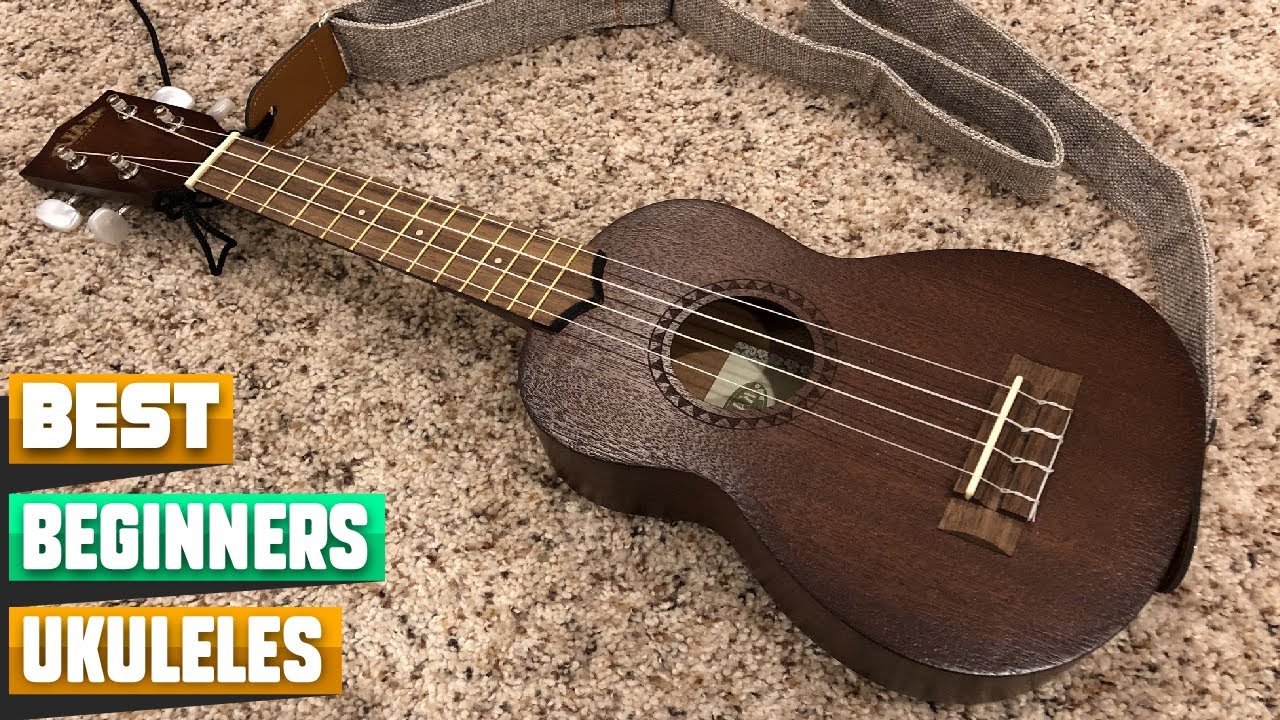
You want to learn the best ukulele for beginners, but you are not ready to spend a fortune on an instrument you have never played. That makes sense. Nobody wants to drop two hundred dollars on a hobby they might quit in a month.
So you search around, and you find ukuleles for twenty bucks. Tempting, right? Here is the catch. That cheap one might be the reason you quit.
A bad ukulele fights you the whole way. It slips out of tune every few minutes, feels rough under your fingers, and sounds dull no matter how hard you try. Beginners often blame themselves when the real problem is the instrument.
The good news is simple. You do not need to spend a lot to get a genuinely good ukulele. Under a hundred dollars, you can find instruments that stay in tune, feel great, and actually make learning fun.
This guide walks you through the best beginner ukuleles under one hundred dollars. You will learn what to buy, what to skip, which brands to trust, and the one mistake that costs new players the most.
Summary
By the end of this guide, you will know exactly which budget ukulele to buy and why.
First, you will learn what actually matters in a cheap ukulele. A few key features separate a joy to play from a frustrating dud.
Then you will see why the cheapest option is usually a trap. Spending a little more often saves you money and heartache down the road.
You will get honest picks from trusted brands, all under one hundred dollars, with the good and the bad laid out plainly.
You will also learn which size to choose, since that decision shapes how comfortable the instrument feels in your hands.
After that, you will find out whether a starter kit is worth it or just clever marketing.
Finally, you will get simple tips to make any budget ukulele play better and last longer. By the end, you can buy with confidence instead of guessing.
Best ukulele for beginners: What Actually Matters in a Cheap Ukulele
Price is not the only thing to weigh. A few features decide whether a budget ukulele helps you learn or makes you want to give up.
Tuners matter most. Look for geared tuners, the kind with a small gear mechanism, rather than friction pegs that slip. Cheap friction tuners are the number one reason beginners rage-quit, because the instrument drifts out of tune within minutes. Geared tuners hold their pitch, so you spend your time playing instead of retuning.
The setup matters too. This means how high the strings sit above the fretboard, known as the action. If the strings are too high, pressing them down hurts and sounds buzzy. A good budget ukulele comes set up so it plays comfortably right out of the box.
One more thing worth knowing. Most affordable ukuleles use laminate wood, which is fine for beginners. It is durable, sounds pleasant, and keeps the price low. You do not need solid wood to start.
You can also read about Indian Food Delivery.
Why the Cheapest Ukulele Is a Trap
Here is the part most guides skip, and it can save you real money. The rock-bottom cheapest ukulele is rarely the smart buy.
Picture the twenty-dollar ukulele you saw online. It looks like a bargain. But these ultra-cheap instruments usually come with slipping tuners, sharp fret edges, and a rough setup that makes clean notes nearly impossible. They often sound out of tune even when you tune them perfectly, because they are built carelessly.
What happens next is predictable. The beginner struggles, assumes they have no musical talent, and quits. The “bargain” becomes twenty dollars wasted, plus a lost hobby. That is an expensive kind of cheap.
Here is my honest opinion after seeing this pattern again and again. Skip anything under about forty dollars. The real sweet spot for a first ukulele sits between fifty and eighty dollars. In that range, you get a proper instrument from a trusted brand, and the difference in your experience is night and day.
Best Budget Ukuleles Under $100
Now for the fun part. These are well-regarded picks that beginners consistently love, all comfortably under one hundred dollars. Prices shift over time, so check the current cost before buying.
Kala KA-15S. This is one of the most recommended beginner ukuleles anywhere. Pros: reliable geared tuners, a warm mahogany-style sound, and a dependable setup. Cons: it is a soprano, so the small size can feel tight for larger hands.
Makala Dolphin. Made by Kala’s budget line, this is a favorite for kids and total beginners. Pros: very affordable, surprisingly playable, and it comes in fun colors. Cons: the sound is more basic than pricier options.
Córdoba 15 cm. A concert-size ukulele that punches above its price. Pros: fuller tone, roomier fretboard, and a polished feel. Cons: it often sits at the top of the budget range.
Donner Concert Ukulele. Known for bundling useful extras. Pros: good value, decent sound, and it usually includes a bag and tuner. Cons: quality can vary slightly between units.
Any of these gives you a real, playable instrument rather than a toy. If you want a safe first pick, the Kala KA-15S rarely disappoints.
Which Size Should You Pick?
Size changes how a ukulele feels and sounds, so this choice matters more than beginners expect. There are four main sizes, but two are ideal for starting.
The soprano is the smallest and most traditional. It gives you that classic bright, cheerful ukulele sound, and it is usually the cheapest option. The downside is the tight spacing between frets, which can feel cramped if you have bigger hands.
The concert is a bit larger. It offers more room for your fingers and a slightly warmer, fuller tone. Many adult beginners find it more comfortable, and the price difference is small.
Here is a simple way to decide. If you want the traditional sound or you are buying for a child, go soprano if you are an adult who wants a little more room to form chords, go concert. Both are excellent, budget-friendly starting points, so there is no wrong answer here.
Are Starter Kits Worth It?
Walk through any ukulele listing, and you will see “starter kits” everywhere. They bundle the instrument with extras like a bag, a tuner, spare strings, and sometimes a strap. Are they worth it?
Often, yes, but with one condition. A kit only makes sense if the ukulele itself comes from a trusted brand. The accessories are genuinely useful. A gig bag protects your instrument, and a clip-on tuner is nearly essential for a beginner. Getting them bundled can save you money.
The trap is a kit built around a poor-quality ukulele. Some sellers pile on cheap accessories to distract from a bad instrument. A bag and tuner mean nothing if the ukulele will not stay in tune.
So use this rule. Judge the ukulele first, the extras second. If a kit from a brand like Kala or Donner fits your budget, it is often a smart, convenient buy. Just never let a pile of freebies talk you into a bad instrument.
Simple Tips to Make It Play Better
Even a great budget ukulele improves with a little care. These small steps cost almost nothing and make a real difference.
Change the strings early. Many affordable ukuleles ship with basic strings. Swapping them for a quality set, which costs only a few dollars, can noticeably improve the tone and tuning stability. It is the cheapest upgrade you can make.
Tune it often, and be patient at first. New ukulele strings stretch a lot during the first week or two, so they slip out of tune quickly. This is normal, not a defect. Keep tuning, and the strings will soon settle and hold much better.
Store it properly, too. Keep your ukulele out of extreme heat, cold, and direct sun, since these can damage the wood over time. Looking ahead, budget ukuleles keep getting better as manufacturing improves, so today’s affordable instruments already play far nicer than the cheap ones from years ago.
Common Mistakes Beginners Make
A few simple slip-ups trip up new buyers. Dodge these, and you will end up much happier with your purchase.
The biggest mistake is chasing the lowest price. As we covered, the cheapest ukulele often ends up costing you more in frustration. Aim for that fifty-to-eighty-dollar sweet spot instead, and treat it as an investment in actually sticking with the hobby.
Another common error is ignoring the tuners. Beginners get dazzled by color or looks and forget to check for geared tuners. Always confirm the ukulele has them, because this single feature affects your daily experience more than almost anything else.
The last mistake is expecting perfection from a budget instrument. A ninety-dollar ukulele will not sound like a five-hundred-dollar one, and that is fine. What matters is that it stays in tune, feels comfortable, and lets you learn. Once you are hooked, you can always upgrade later.
You can also read about Stray Kids Movie.
Conclusion
You do not need deep pockets to start playing the ukulele. Under a hundred dollars, you can find an instrument that genuinely helps you learn instead of holding you back.
Keep the key points in mind. Look for geared tuners and a comfortable setup. Skip the ultra-cheap toys under forty dollars, and aim for the fifty-to-eighty-dollar sweet spot. Trusted brands like Kala, Cordoba, and Donner are your safest bets. And pick a soprano for the classic feel or a concert for a little more room.
Above all, remember that the right budget ukulele makes learning fun, and fun is what keeps you playing. A comfortable, in-tune instrument is worth far more than a few dollars saved.
Here is your one clear next step. Pick one instrument from this guide that fits your budget and hand size, check its current price, and order it today. Then tune it up, learn a couple of chords, and enjoy the journey.
So tell me, are you leaning toward a classic little soprano, or a roomier concert ukulele for those first chords?