It is 2 a.m. You are half asleep. Then you hear it. That soft, endless hiss of water trickling inside your toilet tank. You jiggle the handle, and it stops. You crawl back to bed.
An hour later, it starts again.
How to fix a running toilet is the houseguest who never leaves. It hisses all day, wastes water all night, and quietly grows your water bill while you sleep. Most people just live with it for weeks, sometimes months.
Here is the part that stings. The EPA reports that a running toilet can waste about 200 gallons of water every single day. That is money slipping down the drain, one silent drip at a time.
But here is the good news you came for. Fixing a running toilet is one of the easiest home repairs there is. You do not need a plumber. You do not need fancy tools. Most of the time, you need about ten minutes and a cheap part.
This guide walks you through it, step by step, in plain language. Let’s stop that hiss for good.
Summary
By the end of this guide, you will know exactly why your toilet keeps running and how to fix it yourself.
First, you will learn how a toilet actually works inside the tank. Once you see it, the whole mystery disappears. A toilet is a simple machine with just a few moving parts.
Next, you will find the true cause of your running toilet. In most homes, one small rubber part is the guilty one. You will learn a quick test that points straight to the problem.
Then comes the fun part. You will get clear, simple fixes for each cause, whether it is the flapper, the fill valve, the float, or the chain. No jargon, just plain steps anyone can follow.
You will also learn about the sneaky “phantom” toilet that runs on its own without being flushed. Almost no other guide explains this one clearly.
Finally, you will get an honest look at the real parts and tools you need, plus rough costs and when to call a pro. Read on, and you will never fear that midnight hiss again.
You can also read about Best Ukulele for Beginners.
How to Fix a Running Toilet Actually Works
Before you fix it, picture what is happening inside the tank. It is simpler than you think.
When you flush, a rubber flap called the flapper lifts up. It lets the tank water rush down into the bowl. Then the flapper drops back and seals the hole. Now a part called the fill valve refills the tank. A float rides up with the rising water. When the float reaches the top, it tells the valve to shut off.
That is the whole cycle. Flush, drain, seal, refill, stop.
Here is the key idea. A toilet runs when one part fails to do its job. Either the flapper does not seal, or the fill valve does not shut off. Find the weak link, and you have found your fix.
Why Is My Toilet Running? The Main Causes
Almost every running toilet comes down to a short list of causes. Let’s name them.
The most common culprit is a worn flapper. The EPA and water utilities agree that old, warped flappers cause most toilet leaks. The rubber decays, so it no longer seals, and water sneaks from the tank into the bowl nonstop.
The next causes involve the water level. If the float is set too high, water rises above the overflow tube and drains away forever. A broken fill valve can also refuse to shut off. And sometimes the chain that lifts the flapper is too long or too short, so the flapper never sits right.
Curious which one is yours? There is a simple trick to find out, and you probably have it in your kitchen right now.
The 10-Minute Test to Find the Problem
You do not have to guess. This quick test tells you exactly where the leak is hiding.
Take off the tank lid. Add a few drops of food coloring to the water in the tank. Any dark color works. Now wait about ten minutes. Do not flush.
Come back and look in the bowl. If colored water appears in the bowl, your flapper is leaking. Water is sneaking past the seal. That is your answer, and it points to the easiest fix of all.
If the color stays in the tank but you still hear running, the problem is up top. Check whether water is spilling into the overflow tube. If it is, your float or fill valve needs attention. This one test saves you from buying parts you do not need.
How to Fix Each Cause, Step by Step
Now for the fixes. Match your problem to the steps below.
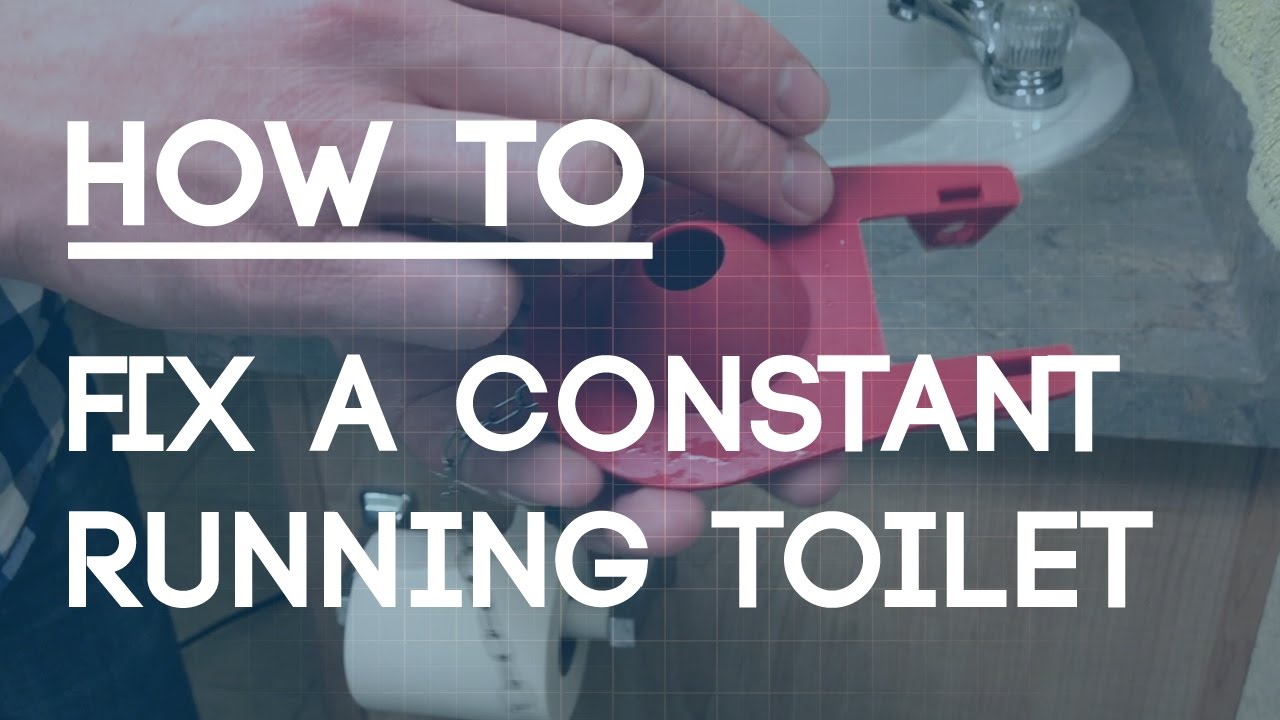
If the flapper leaks: Turn off the water using the valve behind the toilet. Flush to empty the tank. Unhook the old flapper and snap on a new one. Reconnect the chain, turn the water back on, and test. This one repair solves most running toilets.
If the water level is too high: Look at the float. On newer toilets, turn the adjustment screw or clip to lower the float. Aim for the water to sit about one inch below the top of the overflow tube. Lower float, lower water, no more overflow.
If the chain is the problem: A chain that is too long gets stuck under the flapper and breaks the seal. Shorten it slightly. A chain that is too tight holds the flapper open. Give it a little slack. Small tweak, big fix.
If the fill valve is broken: When adjusting the float does not help, replace the whole fill valve. It sounds scary, but it is a beginner job. A universal fill valve kit comes with clear instructions and takes about twenty minutes.
The Phantom Toilet That Runs on Its Own
Here is the case almost no guide explains well. Your toilet is silent, then suddenly it runs for ten seconds and stops. No one flushed it. Spooky, right?
This is called a phantom flush, and it is not a ghost. It is a slow flapper leak. Water drips from the tank into the bowl so slowly that the tank level drops on its own. Once it drops enough, the fill valve kicks on to top it off. Then it stops, until it happens again.
The fix is the same simple flapper swap from earlier. But knowing the cause matters. Many people panic and call a plumber for a mystery they could solve with a two-dollar part. If your toilet runs at random with no flush, suspect the flapper first.
Real Parts and Tools, With Honest Pros and Cons
You do not need much. Here are the real options, with straight talk on each.
Replacement flapper. The cheapest, easiest fix, usually just a few dollars. Pros: solves most running toilets, no tools needed. Cons: you must match the size and type to your toilet.
Fluidmaster 400A fill valve. This is the go-to universal fill valve found in most hardware stores. Pros: reliable, affordable, fits most toilets, easy instructions. Cons: installing it means draining the tank and a little more effort than a flapper.
Complete toilet repair kit. These bundle a flapper, fill valve, and hardware together. Pros: covers every part at once, great for older toilets. Cons: often overkill, since usually only one part is bad.
Adjustable float or float cup. Great when the water level is your only issue. Pros: quick tweak, sometimes free to adjust. Cons: only helps if the float is the actual problem.
Food coloring or a dye tab. Not a repair, but your best diagnosis tool. Pros: nearly free, foolproof, finds leaks fast. Cons: only tells you where the problem is, not a fix by itself.
Here is my bold opinion. Skip the full repair kit for now. Most running toilets need only a new flapper. Buy the whole kit only if the simple fix fails.
What It Costs and When to Call a Pro
Let’s talk money, because this repair saves a lot of it. A flapper or fill valve costs only a few dollars. A running toilet, meanwhile, can waste real cash.
Utility data shows a leak of 200 gallons a day can add hundreds of dollars to a yearly water bill. So a repair that costs the price of a coffee can save you far more over a year. That math is hard to beat.
When should you call a plumber? Rarely. Call one if your toilet keeps running after you replace the flapper and fill valve, or if you spot cracks in the tank or bowl. Those point to a deeper issue. For everything else, this is proudly a do-it-yourself job.
Looking ahead, expect smart leak sensors to grow more common. These small devices ping your phone the moment a toilet starts leaking. Soon, catching a running toilet early may be fully automatic.
You can also read about YouTube to MP4.
Conclusion
That midnight hiss does not stand a chance now. You know how a toilet works, why it runs, and how to fix every common cause with your own two hands flapper.
Remember the simple path. Do the dye test to find the leak. Swap the flapper if the color reaches the bowl. Adjust the float or chain if the water sits too high. Replace the fill valve only if those steps fail.
Above all, do not ignore a running toilet. Every day you wait, it quietly wastes water and money. A ten-minute fix today beats a shocking bill next month.
Here is your one clear next step. Lift your tank lid right now and drop in some food coloring. In ten minutes, your toilet will tell you exactly what it needs.
So tell me, when you check your tank tonight, will the water in the bowl turn colored, or will your leak be hiding somewhere higher up?