You need a family SUV. Something roomy, safe, and reliable. But every time you look, one worry keeps nagging you: the gas bill. Three-row SUVs are famous for guzzling fuel, and prices at the pump are not getting friendlier.
Then you spot it. A three-row Toyota that promises around 35 miles per gallon. That is nearly the fuel economy of a small sedan, in a vehicle big enough for the whole crew. It almost sounds too good to be true.
Meet the Toyota Highlander Hybrid. It has quietly become one of the smartest picks for families who want space without the fuel pain.
Here is a number that turns heads. The Highlander Hybrid gets about 50 percent better fuel economy than the regular gas version. That is real money saved, month after month, for years.
So is it the right SUV for you? This guide breaks down the fuel economy, trims, price, seating, and how it stacks up against its bigger sibling. By the end, you will know if this hybrid belongs in your driveway. Let’s take a closer look.
Summary
By the end of this guide, you will fully understand the Toyota Highlander Hybrid and whether it fits your family.
First, you will learn what this SUV actually is. It is a three-row hybrid built for families who want space and serious fuel savings.
Next, you will see its standout feature: fuel economy. That impressive mileage is the whole reason many people choose it.
You will then explore the trim levels, with honest pros and cons for each, so you can pick the right one without overspending.
You will also get a real look at the space and comfort inside, including one honest truth about the third row that few reviews admit.
Then comes a key comparison. You will learn how the Highlander Hybrid differs from the larger Grand Highlander Hybrid, a mix-up that confuses many shoppers.
Finally, you will get straight talk on price and value, plus safety and tech. Read on, and decide with total confidence.
You can also read about Best Ukulele for Beginners.
What Is the Toyota Highlander Hybrid?
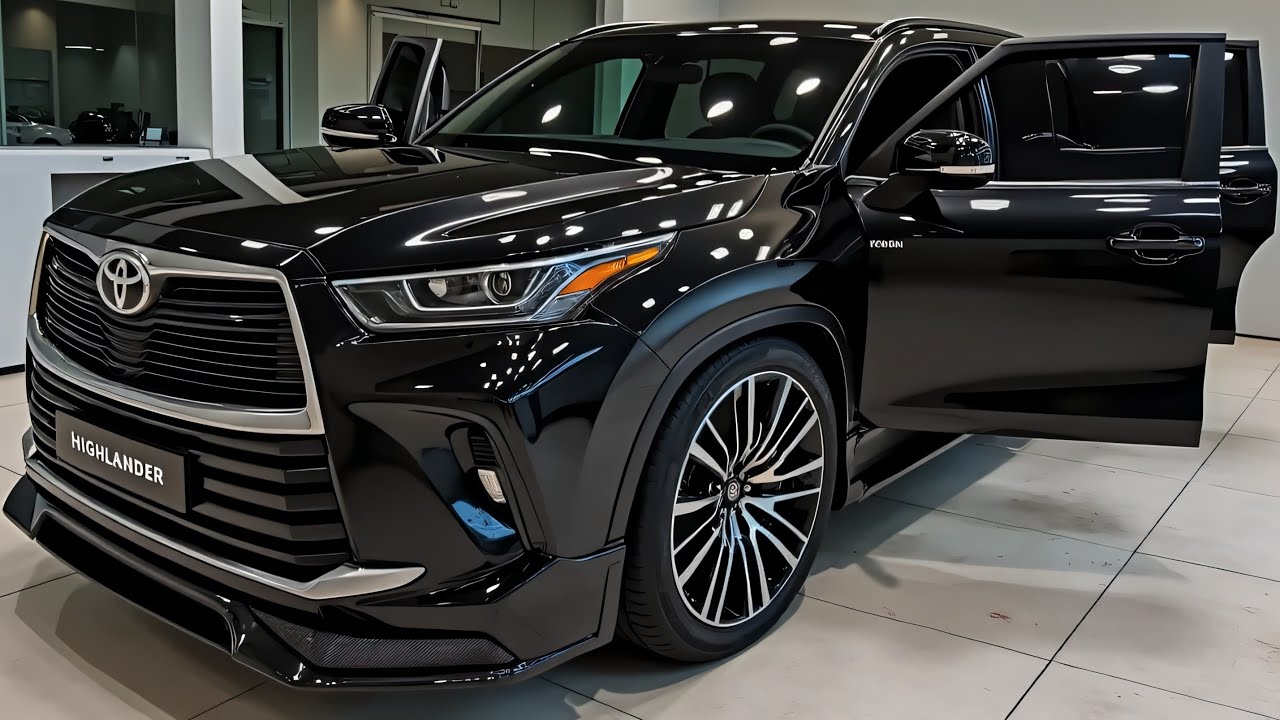
Let’s start with the basics. The Toyota Highlander Hybrid is a midsize, three-row SUV. It combines a gas engine with electric motors to deliver strong fuel economy while still seating the whole family.
Under the hood, it pairs a four-cylinder engine with three electric motors, producing a combined 243 horsepower. It comes with a smooth automatic transmission, and all-wheel drive is standard on every hybrid model, which is great for confidence in rain or snow.
This SUV is built for practical family life. It offers three rows of seats, plenty of cargo room, and Toyota’s well-known reputation for reliability. It is not a sports car, but it is a dependable, comfortable daily driver.
The real magic, though, is what happens at the gas pump. That is where this hybrid truly earns its keep, so let’s talk numbers.
Fuel Economy: The 35 MPG Advantage
Here is the headline feature, and it is a big one. The Toyota Highlander Hybrid returns roughly 35 miles per gallon combined. For a spacious three-row SUV, that number is genuinely excellent.
Let’s put it in perspective. The regular gas Highlander gets around 24 miles per gallon with all-wheel drive. So the hybrid delivers about 50 percent better fuel economy. That is not a small bump. It is a major difference you will feel every single week.
What does that mean for your wallet? By some estimates, the hybrid can cost around $50 less in fuel each month than the gas version. Over years of ownership, those savings add up to a serious amount of money staying in your pocket.
This efficiency makes it one of the most fuel-friendly non-electric three-row SUVs you can buy. For families who drive a lot, that alone can justify the choice. But which version should you get?
Trims Explained, With Honest Pros and Cons
The Highlander Hybrid comes in three trim levels: XLE, Limited, and Platinum. Each steps up in features and price. Here is an honest look at all three.
XLE (the base trim). This is the value pick, and it is well equipped. Pros: comes with synthetic leather seats, heated front seats, and a power driver’s seat, plus it is the only trim that offers eight-passenger seating. Cons: it lacks some of the fancier tech and comfort features of higher trims.
Limited (the sweet spot). This mid-level trim adds comfort and convenience. Pros: more premium features, upgraded interior touches, and available extras like a surround-view camera. Cons: the price jumps noticeably over the XLE.
Platinum (the top trim). This is the loaded, luxury-feeling version. Pros: the most features, the nicest materials, and all the tech. Cons: it is the most expensive, and you pay a real premium for those extras.
Here is my honest opinion. For most families, the XLE or Limited hits the best balance of features and price. The Platinum is lovely, but you can enjoy this SUV fully without stretching to the top trim.
Space, Seating, and Comfort
A family SUV lives or dies on its interior, so let’s get real about the space. The Highlander Hybrid delivers where it counts, with one honest caveat.
Seating is flexible. It comes standard with seven seats, thanks to second-row captain’s chairs and a third-row bench. The base XLE can also be set up for eight passengers with a second-row bench instead. Either way, the front and second rows are roomy and comfortable, even on long drives.
Now for the honest truth few reviews admit. The third row is tight. It works fine for kids or short trips, but adults will feel cramped back there on a long journey. If you regularly carry adults in all three rows, this is worth knowing before you buy.
Cargo space is a strong point, though. You get a useful amount behind the third row, and folding the seats down opens up a large, boxy space. That makes grocery runs, road trips, and sports gear easy to handle.
Highlander Hybrid vs Grand Highlander Hybrid
Here is a point that confuses tons of shoppers, and few guides explain it clearly. Toyota sells two similar SUVs: the Highlander Hybrid and the larger Grand Highlander Hybrid. They are not the same.
The regular Highlander Hybrid is the midsize option covered here. It is a bit smaller, easier to park, and its third row is best for kids. It is the right choice if you want efficiency and family space without a huge footprint.
The Grand Highlander Hybrid is bigger in every key dimension. Its main advantage is a roomier third row that fits adults far more comfortably, plus more cargo space. It also offers a more powerful hybrid option. Naturally, it costs more.
So how do you choose? If your third row is mostly for kids and you want the best value and efficiency, the standard Highlander Hybrid is likely your pick. If you often carry adults in the back or need maximum space, the Grand Highlander Hybrid earns its higher price. Knowing this difference saves you from buyer’s regret.
Price and Is It Worth It?
Let’s talk money, since that drives the decision. Keep in mind these are approximate figures, as prices shift by trim, location, and time.
The Highlander Hybrid generally starts somewhere around $48,000 to $49,000 for the XLE, and climbs into the high $50,000s for a loaded Platinum. So budget-wise, you are looking at a range depending on how many features you want. Always check current pricing with an official source or dealer, since numbers change.
Here is the value question that matters most. The hybrid costs a bit more than the gas Highlander upfront. But with roughly 50 percent better fuel economy and around $50 saved per month at the pump, the difference can pay for itself over time, especially if you drive a lot.
My honest take? For most family drivers, the hybrid is the smarter buy over the gas version. You get better mileage, standard all-wheel drive, and a smoother, quieter ride, all for a modest upcharge. The math simply favors the hybrid for high-mileage families.
Safety and Tech
Modern families expect strong safety and easy tech, and the Highlander Hybrid delivers on both fronts. This is another area where it shines.
Every model comes with Toyota’s advanced safety suite as standard. That includes automatic emergency braking with pedestrian detection, adaptive cruise control, lane-keeping assist, and blind-spot monitoring. Higher trims add a helpful surround-view camera for tight parking spots. This gives families real peace of mind.
The tech is user-friendly too. A touchscreen infotainment system is standard, with a larger screen available on higher trims. Apple CarPlay and Android Auto come standard, so connecting your phone is simple and seamless.
There is reassurance for the hybrid parts as well. Toyota covers the hybrid battery for the long term, giving buyers confidence in the technology. Looking ahead, expect Toyota to keep expanding its hybrid lineup, as electrified vehicles become the norm rather than the exception. Buying a hybrid now puts you ahead of that curve.
You can also read about Espresso Martini Recipe.
Conclusion
That worry about the gas bill can finally relax. The Toyota Highlander Hybrid proves you can have a roomy family SUV and excellent fuel economy at the same time.
Remember the key points. It delivers around 35 miles per gallon, about 50 percent better than the gas version. It comes in three trims, with the XLE and Limited offering the best value. It seats seven or eight, though the third row suits kids best. And it is a different, smaller vehicle than the Grand Highlander Hybrid.
Above all, remember the value story. For families who drive a lot, the fuel savings can offset the hybrid’s higher price over time, making it a genuinely smart long-term choice.
Here is your one clear next step. Decide how often you will use that third row for adults. If it is mostly kids, test drive the Highlander Hybrid XLE or Limited and check current pricing at a dealer. That single test drive will tell you if this efficient family hauler is the one.
So tell me, is fuel economy your top priority in a family SUV, or does maximum third-row space matter more for your crew?