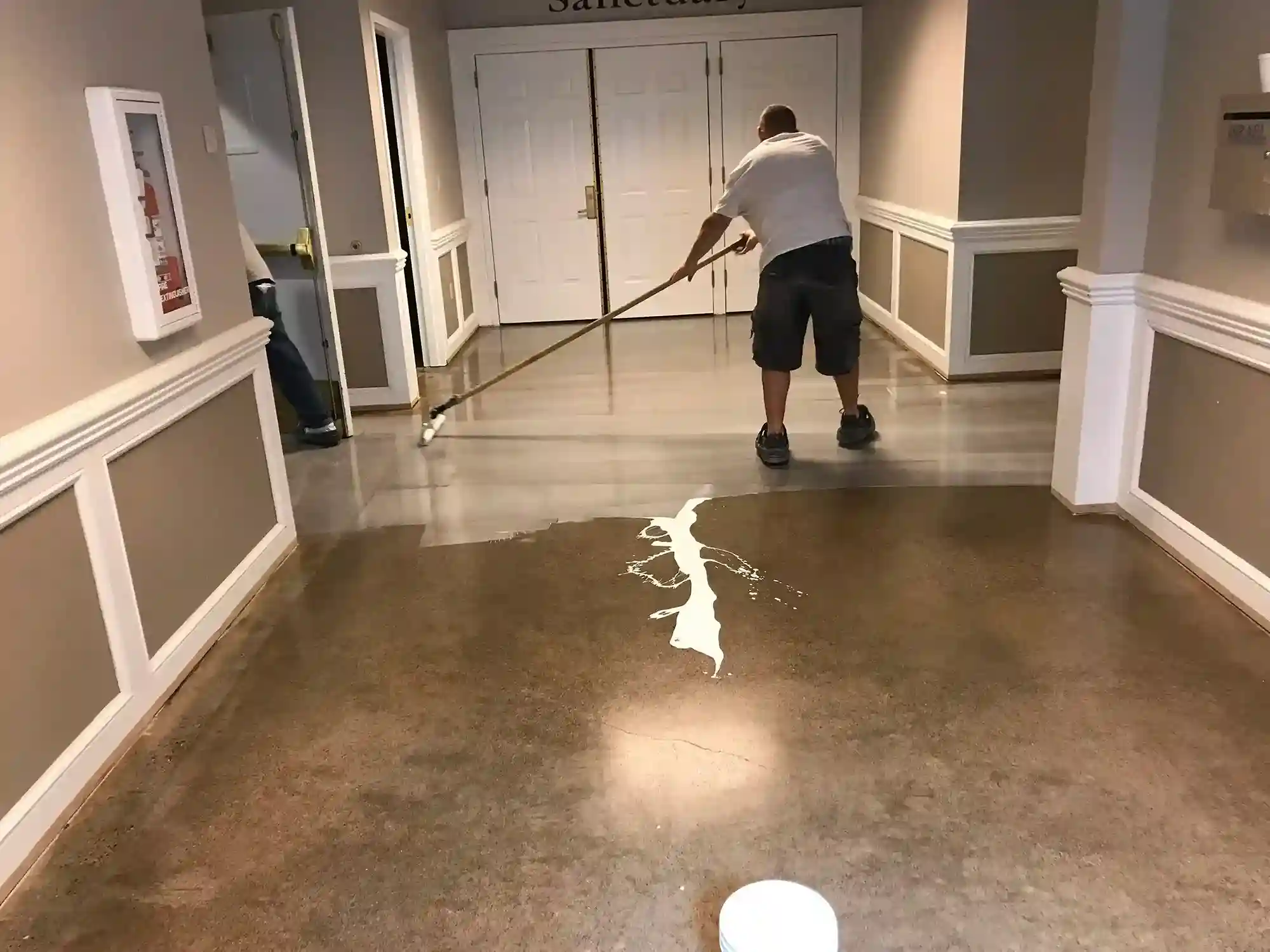
Concrete looks tough and dependable at first glance. It gives off that solid and unbreakable vibe. However, your concrete surfaces quietly deal with stress every single day. Weather changes keep testing their limits. Foot traffic never really slows down. Spills happen when you least expect them. So, over time, your once-pristine concrete starts showing subtle signs of wear.
You might not notice those changes right away. That is exactly why resealing becomes so important. A fresh seal protects your concrete and keeps it looking sharp. Moreover, it helps prevent bigger problems from sneaking in later. If you ignore the warning signs, your concrete may start breaking down faster than expected.
This guide walks you through the clear signs that your concrete needs resealing. So, you can decide whether or not to consider concrete sealing in Melbourne.
Your Concrete Looks Dull and Lifeless
Concrete usually has a clean and slightly polished appearance after sealing. That fresh look does not last forever. Over time, the surface begins to fade. It loses that subtle shine and starts looking flat. You might walk across your driveway or patio and feel something looks off. The surface appears tired. It lacks that crisp finish you remember. This change happens because the original sealant slowly wears away. Moreover, sunlight plays a big role in this fading process. UV rays break down the sealant layer bit by bit. So, your concrete becomes exposed again. Once that protective layer disappears, the surface starts to look dull.
Water No Longer Beads on the Surface
Here is a quick and easy test you can try. Pour a small amount of water onto your concrete surface. Then watch what happens next. If the water forms small beads and stays on top, your seal is still doing its job. However, if the water soaks in quickly, that is a red flag. Your concrete has become porous again. This absorption means the protective barrier has worn off. Water now enters the surface instead of sitting on top. Moreover, this opens the door to deeper damage over time.
For example, trapped moisture can lead to cracks during temperature changes. It can also weaken the internal structure of the concrete. So, if water disappears into the surface instead of beading up, resealing should move to the top of your to-do list.
Stains Are Becoming More Noticeable
Concrete has a habit of holding onto stains once it absorbs them. Oil spills, food drops, and dirt marks can leave lasting impressions. A sealed surface usually resists these stains quite well. However, when the sealant fades away, things change quickly. Your concrete starts soaking up anything that lands on it. That is when stains become harder to ignore. You might notice darker patches forming in your driveway. Your patio might start showing uneven marks. Moreover, cleaning becomes more frustrating because stains do not lift easily.
Cracks Begin to Appear
Small cracks might seem harmless at first. They often appear as thin lines across the surface. However, they signal deeper issues developing underneath. Concrete expands and contracts with temperature changes. Moisture inside the surface makes this movement worse. Without a seal, water seeps in easily and adds pressure from within. So, those tiny cracks can grow larger over time. They can spread across your concrete and weaken its structure. That situation can be avoided with proper maintenance. If you start noticing cracks forming, it is a strong sign your concrete needs attention. Resealing helps prevent further damage and keeps those cracks from spreading.
You can also read about Efficient Water Heater Solutions for Modern Homes.
The Surface Feels Rough or Uneven
Concrete should feel relatively smooth under your feet. A sealed surface maintains that texture for a long time. However, wear and tear can change how it feels. You might notice rough patches developing over time. The surface may feel slightly gritty or uneven. This happens because the top layer begins to erode. Moreover, exposure to weather and traffic speeds up this process. Rain, heat, and daily use slowly wear down the surface. Without a seal, your concrete has no protection against this erosion.
Your Concrete Is Harder to Clean
Cleaning sealed concrete usually feels quick and easy. Dirt and debris stay on the surface, so they wipe away without much effort. However, things change once the sealant wears off. You may find yourself scrubbing harder than usual. Stains might refuse to budge. Dust and grime seem to stick more stubbornly. Moreover, your cleaning routine may start taking longer. You might even try stronger cleaning products without much success. That is because the surface absorbs dirt instead of repelling it.
For example, a simple sweep might no longer be enough to keep your driveway clean. This change signals that your protective layer is gone. Resealing restores that easy-to-clean surface and saves you time and effort.
It Has Been a Few Years Since the Last Seal
Time plays a major role in concrete maintenance. Even the best sealants do not last forever. Most surfaces need resealing every few years, depending on usage and exposure. If you cannot remember the last time your concrete was sealed, that is a sign worth considering. High-traffic areas wear out faster. Outdoor surfaces face constant exposure to weather conditions.
Final Thoughts
Concrete does not demand constant attention, but it does need care at the right time. Ignoring early warning signs can lead to bigger problems down the road. However, catching those signs early makes all the difference. Resealing offers a simple and effective solution. It protects your surface, improves its appearance, and extends its lifespan. For immediate assistance, call or email Premium Concrete Resurfacing.