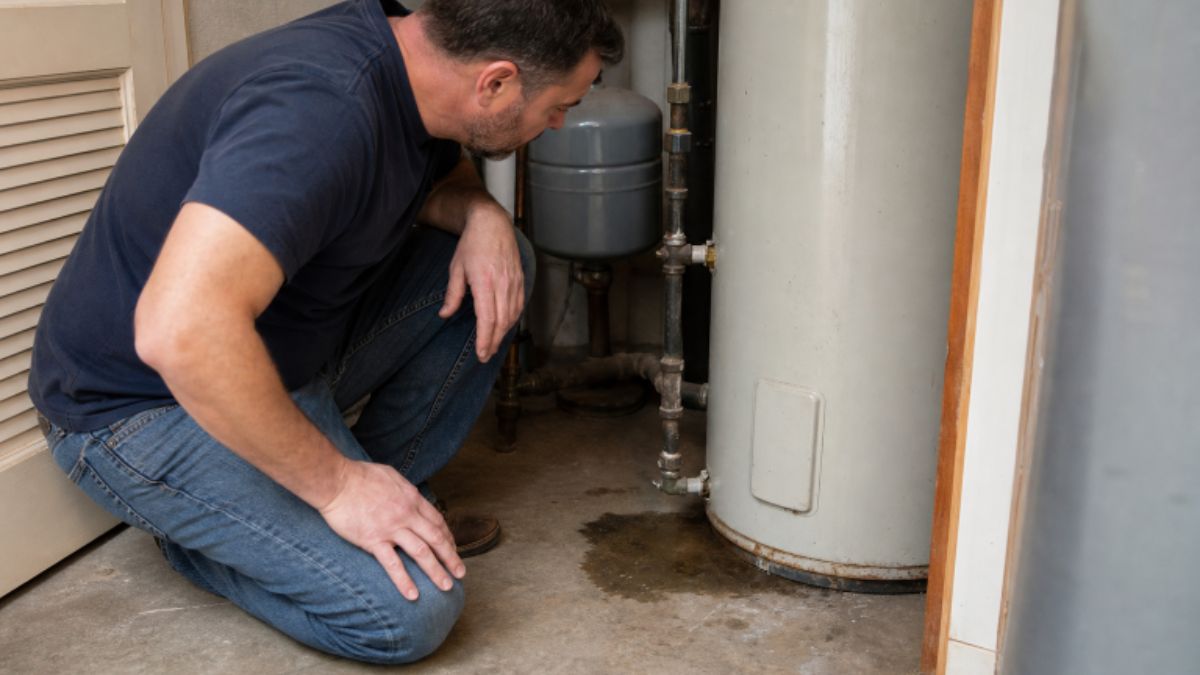
Your water heater works quietly behind the scenes to support showers, laundry, dishwashing, and everyday cleaning. Because it is easy to overlook, small changes in performance can go unnoticed until a leak, cold shower, or complete failure creates an urgent problem. If you spot early symptoms, timely help from water heater repair specialists in Hallettsville, TX can help protect your comfort and reduce the chance of water damage.
Most water heaters give homeowners warning signs before a major breakdown. Sediment, corrosion, worn heating parts, poor temperature settings, and aging safety components can all affect efficiency and reliability. For example, a homeowner may hear occasional popping from a tank, then later notice a small damp spot beneath it. Acting at the first sign is usually far easier than responding to a failed tank.
Why Water Heater Maintenance Matters
A properly maintained water heater can heat water more consistently and detect developing issues before they become costly emergencies. In storage-tank systems, minerals can settle at the bottom, causing the burner or heating elements to work harder. Corrosion can affect fittings, valves, and eventually the tank itself. Routine attention also helps homeowners notice poor insulation, unsafe clutter around the unit, or changing water temperatures.
Early Warning Signs To Watch For
Schedule an inspection when you notice one or more of these common clues:
- Hot water becomes lukewarm, inconsistent, or runs out unusually fast.
- Rumbling, popping, banging, hissing, or other new operating noises occur.
- Water pools near the base, fittings, valves, or drain line.
- Hot water looks rusty, cloudy, or has an unusual odor.
- A gas pilot light or ignition system repeatedly shuts down.
- Shower temperatures fluctuate sharply when no other fixture is in use.
- Energy bills rise without a meaningful change in household usage.
- A tankless system displays recurring error codes or shuts down.
What Each Warning Sign May Mean
Insufficient Hot Water
A reduced supply can result from sediment buildup, a failing thermostat, damaged electric heating elements, burner trouble, or a unit that no longer fits household demand. First, determine whether the issue affects every hot-water fixture or only one faucet or shower.
Strange Noises
Popping and rumbling often occur when sediment sits in the bottom of a tank and traps water as heating begins. Continued noise does not automatically mean the tank will fail immediately, but it is a practical reason to arrange service. This water heater maintenance guide offers additional context on routine upkeep and common trouble spots.
Leaks, Damp Areas, and Discolored Water
A loose connection or relief valve may drip, while water coming from the tank body or base can indicate serious internal failure. Rust-colored hot water may be related to tank corrosion, an aging anode rod, or corroded pipes elsewhere in the home. Compare hot and cold water at the same fixture to help narrow down the source. Water near electrical parts or gas equipment should be treated as an urgent safety concern.
Pilot Light Problems and Rising Energy Costs
Repeated ignition failures can involve a thermocouple, sensor, burner, venting issue, or gas control. Gas-related diagnosis should be left to a qualified professional. Higher utility costs may indicate sediment buildup, poor insulation, aging components, or incorrect temperature settings that cause the system to work harder.
Safe Homeowner Checks
Homeowners can gather useful information without removing access panels or touching gas and electrical components:
- Look for moisture, rust, or corrosion around the tank, valves, and fittings.
- Listen for unfamiliar sounds during a heating cycle.
- Check whether the problem affects one fixture or the entire home.
- Review the unit’s age, model number, warranty, and prior service records.
- Keep the surrounding area clear of boxes, chemicals, and stored belongings.
- Write down tankless error codes exactly as shown on the display.
Do not open gas controls, remove electrical covers, bypass safety devices, or test hot components without proper training. Hot water, pressure, electricity, and combustible gas can create serious hazards.
A Simple Water Heater Maintenance Routine
Monthly Checks
- Inspect the floor and visible connections for moisture.
- Make sure vents, access panels, and combustion-air openings are unobstructed.
- Watch for exterior rust, damaged insulation, and unusual sounds.
Annual Service
An annual professional inspection is a sensible starting point. Depending on the model, water quality, and manufacturer’s instructions, service may include flushing the storage tank, inspecting the temperature and pressure relief valve, checking the anode rod, and evaluating the thermostats, burners, heating elements, wiring, and visible connections. Homes with hard water or heavy hot-water demand may benefit from more frequent attention.
Tank Vs. Tankless Maintenance
Traditional storage-tank units often require attention for sediment buildup, corrosion, pressure-relief components, and anode rod wear. Water quality and age strongly influence their service needs. Tankless units do not store heated water, but they still need filter cleaning, scale removal, clear airflow and venting, and investigation of recurring error codes. Hard water can make descaling especially important. Always use the maintenance schedule for your specific model.
Repair Or Replace: How To Decide
- Repair may make sense when the tank is sound, and the problem is a replaceable thermostat, valve, element, igniter, sensor, or similar component.
- Replacement may make sense when the tank itself leaks, corrosion is widespread, repairs are frequent, or the unit is no longer dependable.
- A second opinion is worthwhile when several costly repairs are recommended at once, or the explanation is unclear.
Consider the unit’s age, repair history, efficiency, warranty status, and the risk of a sudden leak. These water heater failure warning signs can also help homeowners recognize when a problem may require more than a simple repair.
What To Do During A Water Heater Emergency
- Turn off the water supply if the unit is leaking and the valve is safely accessible.
- Keep children and pets away from hot water, sharp metal, equipment, and standing water.
- Move valuables away from the affected area if it is safe to do so.
- Turn off electrical power at the correct breaker only when it can be done safely.
- Contact a qualified plumbing or water-heater professional for diagnosis and repair.
If you smell strong gas, see smoke or sparks, or face active flooding, leave the hazardous area and contact the appropriate emergency service or utility provider.
Frequently Asked Questions
How Often Should A Water Heater Be Checked?
Annual inspection is a practical baseline. Older equipment, hard water, high usage, and past issues may justify more frequent service.
Can A Homeowner Flush A Water Heater?
Flushing helps remove sediment, but the work can involve hot water, pressure, gas, or electricity. Follow the manufacturer’s instructions exactly or hire a professional.
How Long Does A Water Heater Usually Last?
Service life varies based on system type, installation quality, water conditions, household use, and maintenance. No exact lifespan applies to every unit.
What Is The First Step When A Water Heater Leaks?
If safe to do so, stop the water supply, protect the surrounding area, and arrange a prompt professional evaluation. A leak from the tank body should not be ignored.
Conclusion
Water heaters often provide early clues before they fail. Paying attention to leaks, strange noises, discolored water, temperature changes, and error codes can help prevent avoidable disruption. Regular maintenance and timely professional advice remain the best ways to support comfort, safety, and dependable hot water.